Show summary Hide summary
When storms arrive without much warning, quick choices determine whether you stay safe or face chaos. Below are clear, actionable ways to prepare for severe weather, manage power outages, and protect your household. Read on to build plans that work for real life.
Why planning for severe weather matters now
Severe weather events are growing in frequency and intensity. Communities face more flooding, stronger winds, and longer power outages. Preparing ahead reduces stress, prevents injuries, and helps you recover faster. Local authorities often advise having a plan for at least 72 hours. That window can make the difference between a manageable disruption and an emergency.
Warren Buffett dividend stock crushing the market in 2026: should you buy?
Bitcoin price target revealed ahead of October FOMC: analyst predicts rally
What to include in a reliable emergency kit
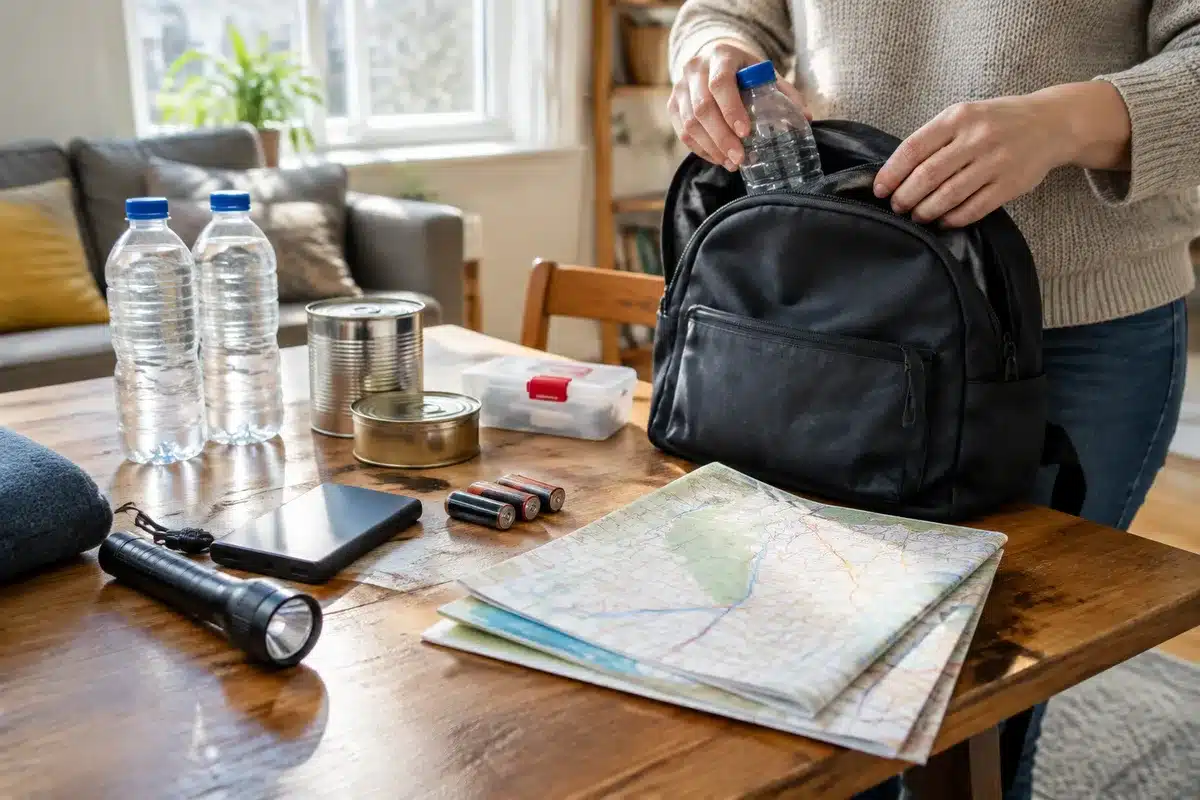
A compact, well-organized kit is the heart of preparedness. Focus on essentials you can carry, then expand for home storage.
- Water: one gallon per person per day for three days minimum.
- Non-perishable food for 3–7 days and a manual can opener.
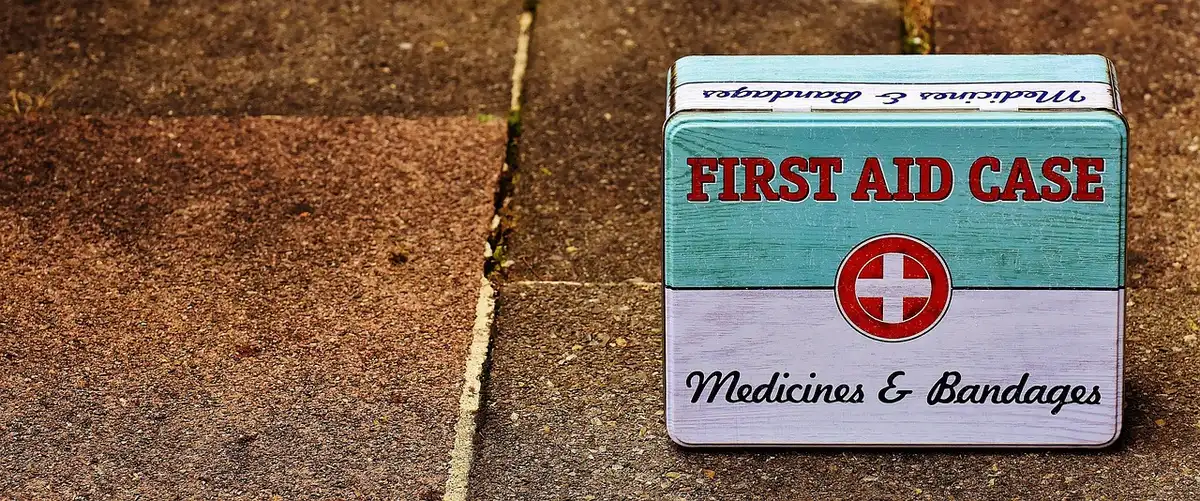
- First-aid kit tailored to your family’s needs.
- Flashlights with extra batteries and a crank or solar lantern.
- Portable phone chargers and battery banks. Keep them topped up.
- Local maps, copies of important documents, and cash in small bills.
- Warm blankets, sturdy shoes, and rain gear.
- Medications for at least seven days, with prescription info.
Items for families and pets
- Child supplies: formula, diapers, comfort items.
- Pet supplies: food, carrier, vaccination records.
- Special needs: oxygen, mobility aids, or extra batteries for medical devices.
Handling a power outage safely
Power loss is common during storms. Your actions in the first hours matter most.
- Check local alerts on battery-powered radio or phone.
- Turn off sensitive electronics to avoid damage from surges.
- Keep refrigerator and freezer doors closed to preserve food.
- Use flashlights, not candles, to reduce fire risk.
- Keep a list of emergency contacts written down.
Generator safety and alternatives
Portable generators can be lifesavers but are hazardous if misused.
- Always run generators outdoors and away from windows.
- Use heavy-duty extension cords rated for outdoor use.
- Never plug a generator into a household outlet.
- Consider a professionally installed transfer switch for standby generators.
- Store fuel safely and in approved containers.
Carbon monoxide risks are real. Use a CO detector on every floor.

Staying informed: alerts, apps, and radios
Reliable information reduces panic. Set up multiple ways to receive updates.
- Sign up for local emergency alerts and weather notifications.
- Download official apps from your county or state emergency office.
- Keep a battery-powered or hand-crank radio for broadcast updates.
- Follow trusted local news outlets on social media.
- Assign a family check-in time and method if phones fail.
Home and vehicle readiness steps
Small improvements lower risk and speed recovery.
- Trim trees and secure loose outdoor items before storm season.
- Know how to shut off utilities like gas, water, and electricity.
- Keep your vehicle’s gas tank at least half full in winter and hot seasons.
- Store a roadside emergency kit with blankets, flares, and a shovel.
- Elevate critical electronics off floors prone to flooding.
Insurance and documentation
Insurance claims move faster with documentation.
- Take photos or video of your property before storm season.
- Store digital copies of insurance, IDs, and medical records.
- Know your policy limits and deductibles for flood and wind damage.
When to evacuate and how to decide
Evacuation is stressful but sometimes essential. Prepare decisions in advance.
- Follow mandatory evacuation orders immediately.
- If advised to shelter in place, identify the safest room in your home.
- Plan multiple evacuation routes and a meeting spot for family members.
- Keep an evacuation bag ready with essentials and important documents.
Special considerations for high-risk households
- Register for local assistance if you need help evacuating.
- Coordinate with neighbors to share resources and transportation.
- Keep backup power solutions for medical equipment up to date.
Practical drills and maintenance routines
Regular practice turns plans into muscle memory. Small, frequent checks pay off.
- Test smoke and CO detectors monthly and change batteries yearly.
- Run emergency drills with your household twice a year.
- Rotate food and water supplies every six months.
- Service generators and bring vehicles to maintenance before storm season.
Community resilience
Strong neighborhoods recover faster. Get involved.
- Know the locations of local shelters and warming centers.
- Join community preparedness groups or volunteer networks.
- Share plans with neighbors, especially the elderly and those with disabilities.