Show summary Hide summary
- Why extreme heat matters now: risks and trends
- Recognize the warning signs of heat-related illness
- Simple cooling and hydration actions that work
- How to adapt your home and workplace for high temperatures
- Workplace safety: policies and quick fixes
- Community resources and where to go for help
- Smart tools to track heat and plan in real time
- Preparing ahead: simple steps to reduce future risk
Extreme heat can arrive fast and leave cities strained. As temperatures climb, simple choices shape safety, health and comfort. This guide offers practical steps to stay cool, protect vulnerable people and use community resources during a heat wave.
Why extreme heat matters now: risks and trends
Warren Buffett dividend stock crushing the market in 2026: should you buy?
Bitcoin price target revealed ahead of October FOMC: analyst predicts rally
Heat waves are growing more frequent in many regions. Urban areas face higher temperatures because of the heat island effect. Older adults, young children and people with chronic illness are most at risk.

- Health hazards: heat exhaustion, heat stroke and dehydration.
- Infrastructure strain: power outages and stressed cooling systems.
- Economic impact: lost productivity and increased emergency visits.
Recognize the warning signs of heat-related illness
Early detection saves lives. Learn to spot symptoms in yourself and others.
- Heavy sweating, weakness or dizziness.
- Cold, pale, clammy skin or muscle cramps.
- High body temperature, rapid pulse, confusion or fainting.
Call emergency services right away if someone shows confusion, slurred speech, or loses consciousness.
Simple cooling and hydration actions that work
Small, consistent steps lower risk and keep you functional.
Hydration habits
- Drink water regularly, even before you feel thirsty.
- Avoid alcohol and sugary drinks during extreme heat.
- Use electrolyte solutions if sweating heavily or after long activity.

Cooling techniques
- Take cool showers or apply damp towels to the neck and wrists.
- Wear lightweight, light-colored clothing.
- Limit outdoor activity during midday and early afternoon.
How to adapt your home and workplace for high temperatures
Practical adjustments reduce indoor heat and cut energy bills.
- Use fans and air conditioning efficiently; set AC to a comfortable, not extreme, temperature.
- Close curtains or blinds on sun-facing windows during the hottest hours.
- Seal gaps where hot air infiltrates and insulate exposed pipes and ducts.
- Plan heavy chores like laundry or cooking for early morning or evening.
When power is limited, prioritize cooling for vulnerable household members.
Workplace safety: policies and quick fixes
Employers and workers can reduce heat-related incidents with clear rules.
- Shift schedules to cooler hours for outdoor work.
- Provide shaded rest areas and frequent water breaks.
- Train staff to recognize heat illness and to respond immediately.
Community resources and where to go for help
Local systems often activate during heat emergencies. Know what’s available.
- Cooling centers in libraries, community centers and malls.
- Public health hotlines and emergency alerts via local governments.
- Neighbor check-ins, especially for seniors and those living alone.
Register with local services if you or a loved one needs extra support during extreme heat.
Smart tools to track heat and plan in real time
Use technology to stay informed and make safer choices.
- Weather apps with heat index and air quality alerts.
- Local government alerts for heat advisories and cooling center locations.
- Smart thermostats to manage home energy and cooling remotely.
Preparing ahead: simple steps to reduce future risk
Preparation smooths the path through heat waves.
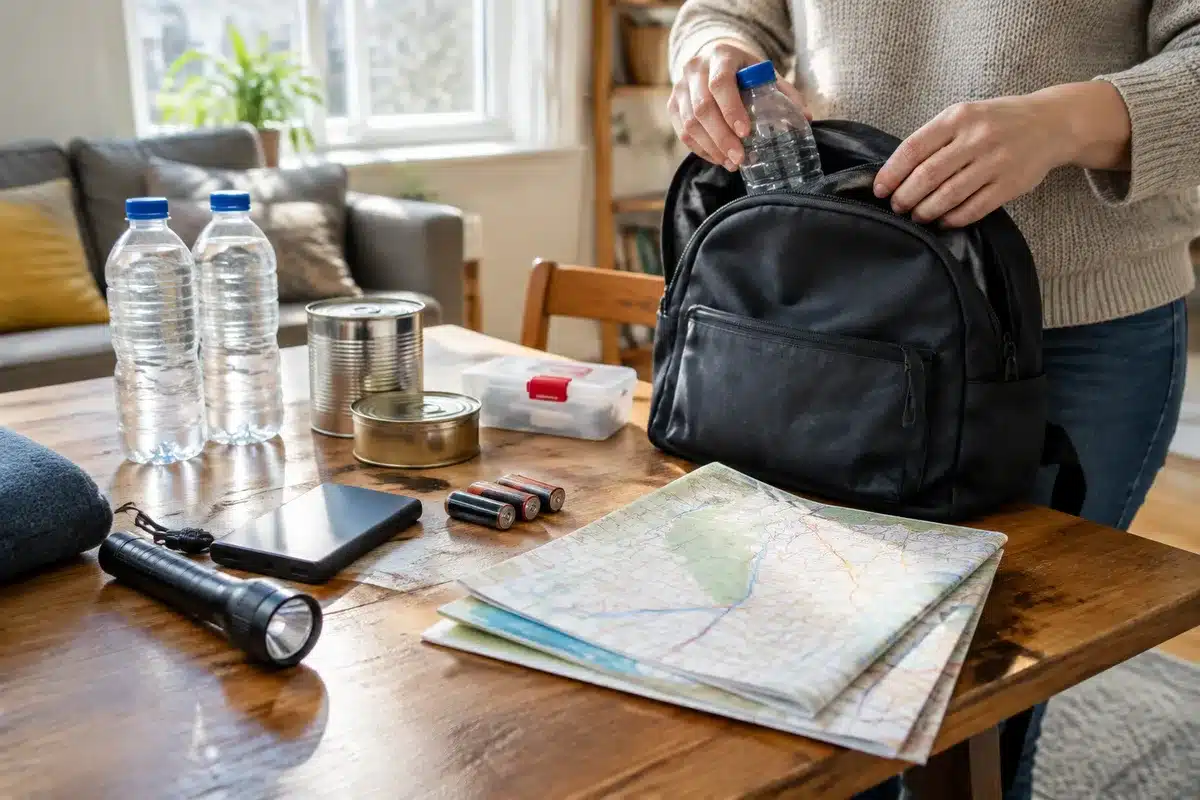
- Build an emergency kit with water, electrolyte packets and a battery-powered fan.
- Identify nearby cooling centers and safe transport options.
- Create a household plan listing vulnerable members and daily check-in times.
Routine maintenance of HVAC systems and generators helps prevent breakdowns when you need them most.