
Show summary Hide summary
- Why empty pages and vanished drafts matter for publishers
- Immediate actions when you discover missing content
- Rebuilding content without the original file
- SEO and editorial best practices during recovery
- Tools and services that speed up recovery
- Legal and ethical considerations when reconstructing stories
- Practical policies to prevent future blank pages
- Communicating with audiences after content loss
- When to involve technical and leadership teams
Blank or missing content can derail a publishing schedule and erode reader trust. Editors, writers, and site owners face tight deadlines and audience expectations. When a source file is empty or a draft vanishes, rapid, principled action matters. This piece explains pragmatic steps to recover, rebuild, and prevent content gaps while protecting SEO and credibility.
Why empty pages and vanished drafts matter for publishers
Fed set to trigger 1987-style crash this week: senior economist issues stark warning
Bitcoin dominates repeat crypto buys: 42% of purchases are BTC, Paybis reveals
An unseen blank can cost visibility and revenue. Search engines view empty pages as low value. Social followers notice broken updates. For newsrooms, a missing article can disrupt context in ongoing coverage.
Beyond technical loss, there is a reputational risk. Readers expect reliable information. Frequent gaps suggest weak processes. That perception is hard to reverse.
Immediate actions when you discover missing content
Act quickly but methodically. Hasty edits can make recovery harder.
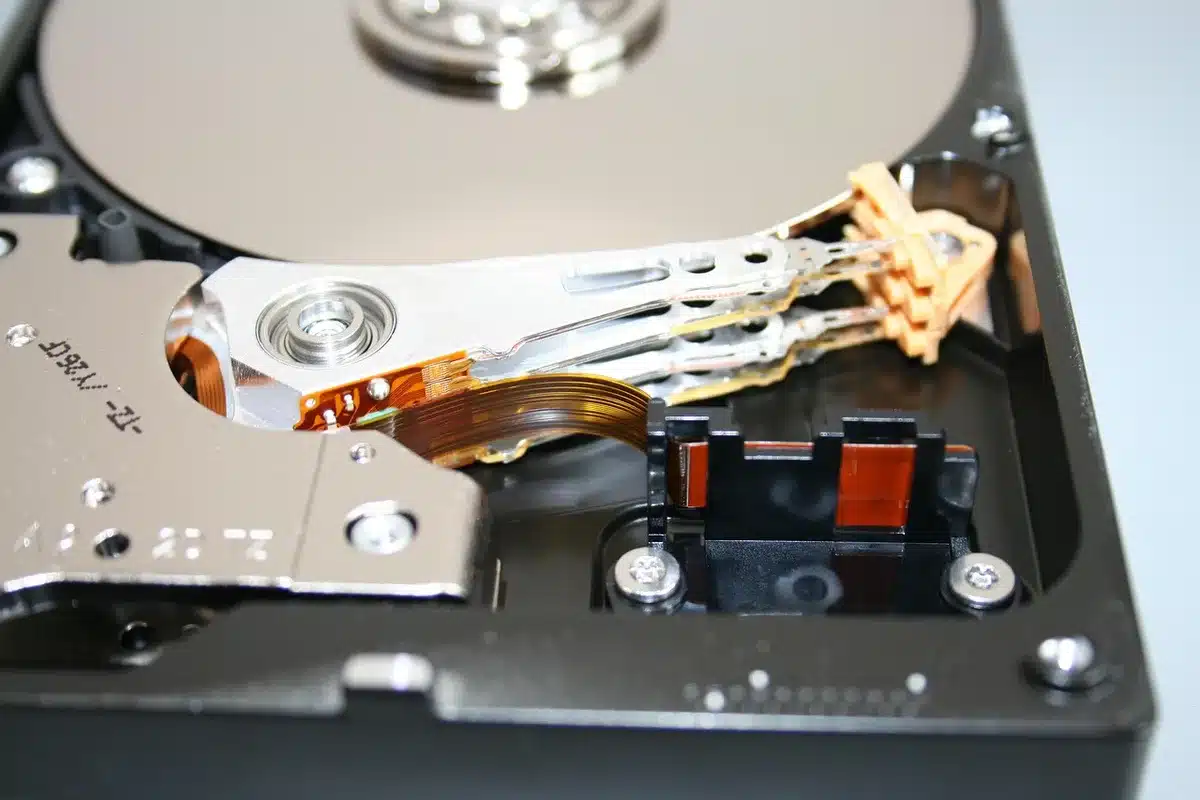
- Check backups: Review your CMS backups, revision history, or hosting snapshots first.
- Inspect cache: Search engine caches or the Wayback Machine may hold a recent copy.
- Look for drafts: Local files, email exchanges, or collaborative tools often contain older versions.
- Lock the URL: If the page must stay live, publish a placeholder note explaining the issue rather than leaving a blank screen.
How to restore a lost version step by step
- Identify the most recent reliable source: CMS revisions, Google cache, or colleague copies.
- Compare versions and extract factual elements, quotes, timestamps, and media.
- Recreate the article using a clear structure: lead, body, attribution, and dateline.
- Mark clearly if anything is reconstructed from memory or third parties.
Rebuilding content without the original file
When a true restore is impossible, prioritize accuracy and transparency. Rebuild around available facts and corroborated sources.
- Interview contributors or subject-matter experts to recapture missing details.
- Use public records, press releases, and archived pages for verification.
- Document reconstruction choices in an editor’s note to maintain trust.
SEO and editorial best practices during recovery
Search performance can suffer after content disruption. Follow these steps to mitigate damage.
- Maintain the original URL whenever possible to preserve link equity.
- Keep meta titles and descriptions close to prior versions if they were optimized.
- Use 301 redirects only when the new content differs substantially.
- Validate structured data and canonical tags after publishing the restored page.
Tools and services that speed up recovery
Leverage technology to shorten downtime.
- Content management systems with version history (e.g., WordPress revisions, enterprise CMS solutions).
- Automated backups and cloud snapshots from hosting providers.
- Web archiving services and search engine caches for lost pages.
- Collaboration platforms that keep document histories, like Google Drive or Microsoft OneDrive.
Legal and ethical considerations when reconstructing stories
Recreated reporting must meet journalistic standards. Errors can lead to legal exposure.
- Verify all quotes and facts from independent sources.
- Label reconstructed content clearly to avoid misleading readers.
- Preserve and archive source materials for future auditing.
- Consult legal counsel for sensitive or potentially defamatory material.
Practical policies to prevent future blank pages
Prevention is cheaper than recovery. Implement clear rules and simple redundancies.

- Automatic backups with daily snapshots and longer retention.
- Mandatory CMS save frequency and autosave features enabled.
- Editorial checklists that include verifying article availability before publication.
- Training for staff on version control and file management.
Communicating with audiences after content loss
Transparent communication reduces frustration. Explain what happened and what you did.
- Publish a short editor’s note on the affected page.
- Use social channels to update readers on restoration progress.
- Offer corrected or expanded coverage when appropriate.
When to involve technical and leadership teams
Not all incidents are equal. Escalate when the problem is systemic or sensitive.
- Involve IT for repeated data loss or suspected breaches.
- Notify senior editors for high-profile or legally fraught stories.
- Coordinate with communications for public-facing statements.