Show summary Hide summary
- What the resilience plan includes and why it matters
- How neighborhoods will see immediate change
- Funding, timeline, and measurable goals for the initiative
- Voices from the community and expert reaction
- Practical tips for residents during the rollout
- Technology and data behind the plan
- Potential economic and environmental co-benefits
- What to watch next as the plan moves forward
A new urban resilience plan promises to change how the city faces rising temperatures and extreme weather. City officials unveiled a multi-year program this week that blends green infrastructure, public health measures, and community partnerships. The announcement aims to protect vulnerable neighborhoods while creating long-term benefits for mobility, air quality, and local economies.
What the resilience plan includes and why it matters
Oracle dividend this month: what 100 ORCL shares will earn
Hottest ETF sparks investor rush: why money is pouring in
The strategy focuses on short- and long-term interventions to reduce heat-related risks. It combines tree planting, cool pavement projects, and targeted cooling centers. Officials say the plan is designed to be adaptable as climate data evolves.
- Green infrastructure: large-scale tree planting, expanded parks, and rain gardens to lower surface temperatures.
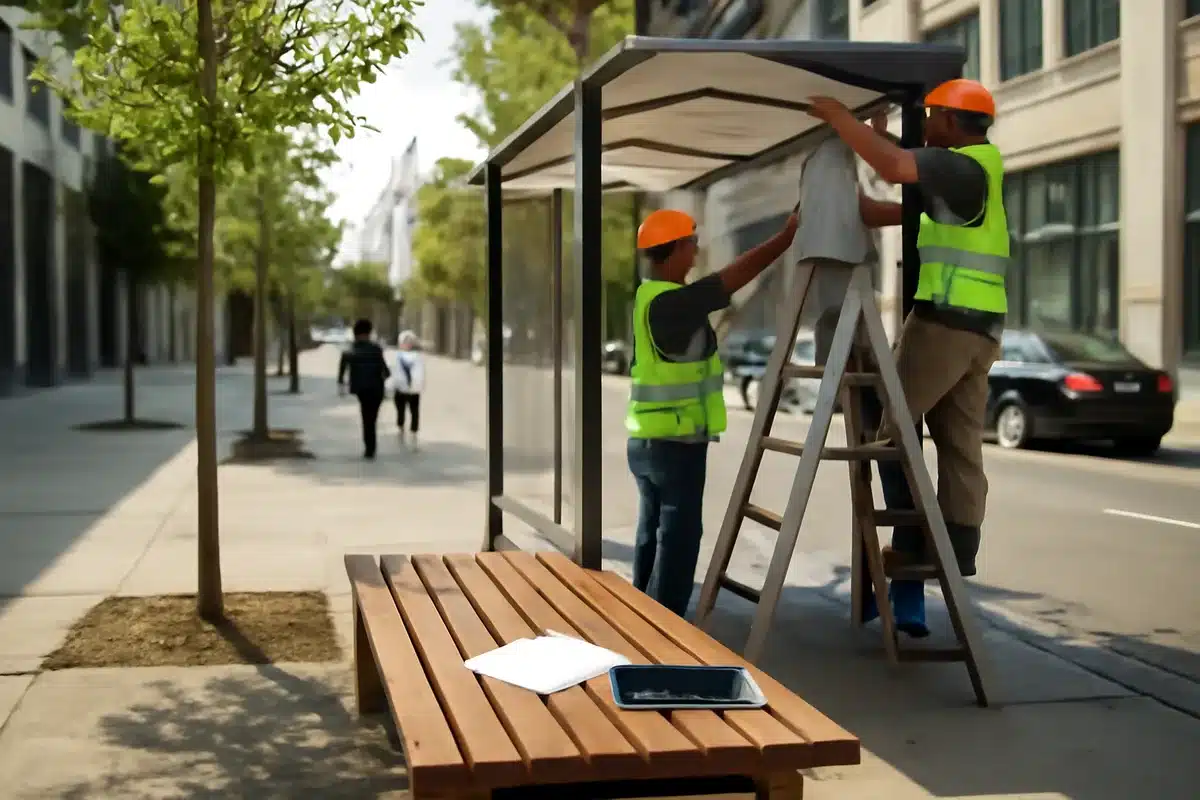
- Built environment upgrades: reflective pavements and shaded bus stops to cut heat at transit points.
- Health and emergency response: new cooling centers, heat outreach programs, and early-warning systems for vulnerable residents.
How neighborhoods will see immediate change
Priorities will target areas with the highest heat risk and least tree cover. City planners used satellite data and health records to map neighborhoods where interventions will be most effective.
- Rapid tree planting in heat islands within the first two years.
- Installation of temporary shade structures at schools and transit hubs.
- Deployment of mobile cooling units during peak heat events.
Funding, timeline, and measurable goals for the initiative
Leaders outlined a multi-source funding model. The package draws on municipal bonds, federal grants, and private partnerships. A transparent schedule will track progress against measurable targets.
- Five-year target: increase canopy cover across priority zones by a set percentage.
- Annual reporting on air temperature trends and heat-related health incidents.
- Benchmarks tied to city budgets to ensure steady implementation.
Voices from the community and expert reaction
Neighborhood organizations welcomed the focus on equity but urged faster action. Public health experts praised the integration of healthcare data into planning.
Community leaders say:
- They want local hiring and long-term maintenance commitments.
- Residents requested transparent maps showing when improvements will arrive.
Scientists and urban planners note:
- Adaptive approaches will be crucial as heat patterns change.
- Combining green and engineered solutions tends to yield the best results.
Practical tips for residents during the rollout
City officials also released guidance for residents to reduce personal risk this summer. The tips focus on hydration, cooling strategies, and how to access new services.
- Use public cooling centers when home cooling is unavailable.
- Check local resources for heat alerts and free services.
- Neighborhood volunteers can help identify elders and others who need assistance.
Technology and data behind the plan
Advanced mapping tools and sensor networks will guide deployment. Real-time data streams inform decisions about where shade, water features, or reflective surfaces will have the biggest impact.

- Heat sensors and weather stations monitor neighborhood conditions.
- Open data dashboards let the public track progress.
- Machine learning helps prioritize sites with the greatest need.
Potential economic and environmental co-benefits
Beyond reducing heat risks, the program aims to create jobs and improve air quality. Green projects can stimulate local hiring and support small contractors.
- Improved walkability can boost local businesses.
- More trees help sequester carbon and filter pollutants.
- Cooler streets reduce energy demand for air conditioning.
What to watch next as the plan moves forward
Key milestones will include initial planting phases, the release of the first annual progress report, and pilot projects at major transit nodes. Stakeholders expect a public review after the first 18 months.
- First 6 months: launch of cooling centers and temporary shade installations.
- 12 months: first data-driven adjustments and public dashboard updates.
- 18 months: community review and budget reassessment.