Show summary Hide summary
- Essential supplies to keep on hand for storms and blackouts
- How to create a household emergency plan that actually works
- Protecting your home: quick fixes and longer-term investments
- Communications during outages: staying connected when networks fail
- Evacuation decisions: when to leave and what to bring
- Protecting valuables and managing insurance
- Special considerations for families, seniors, and pets
- Community resources and how to tap them
- Simple maintenance tasks that improve resilience
Severe weather can arrive without much warning, but a few practical steps at home can make a dramatic difference. This guide lays out clear, actionable advice to build an emergency-ready household, protect your possessions, and keep your family safe. Follow straightforward checklists and planning tips to reduce chaos when storms, floods, or power outages strike.
Essential supplies to keep on hand for storms and blackouts
Gold 2030 price target revealed: Wall Street analyst names eye-popping figure
PS5 price jumps 30% since 2020: the console is six years older
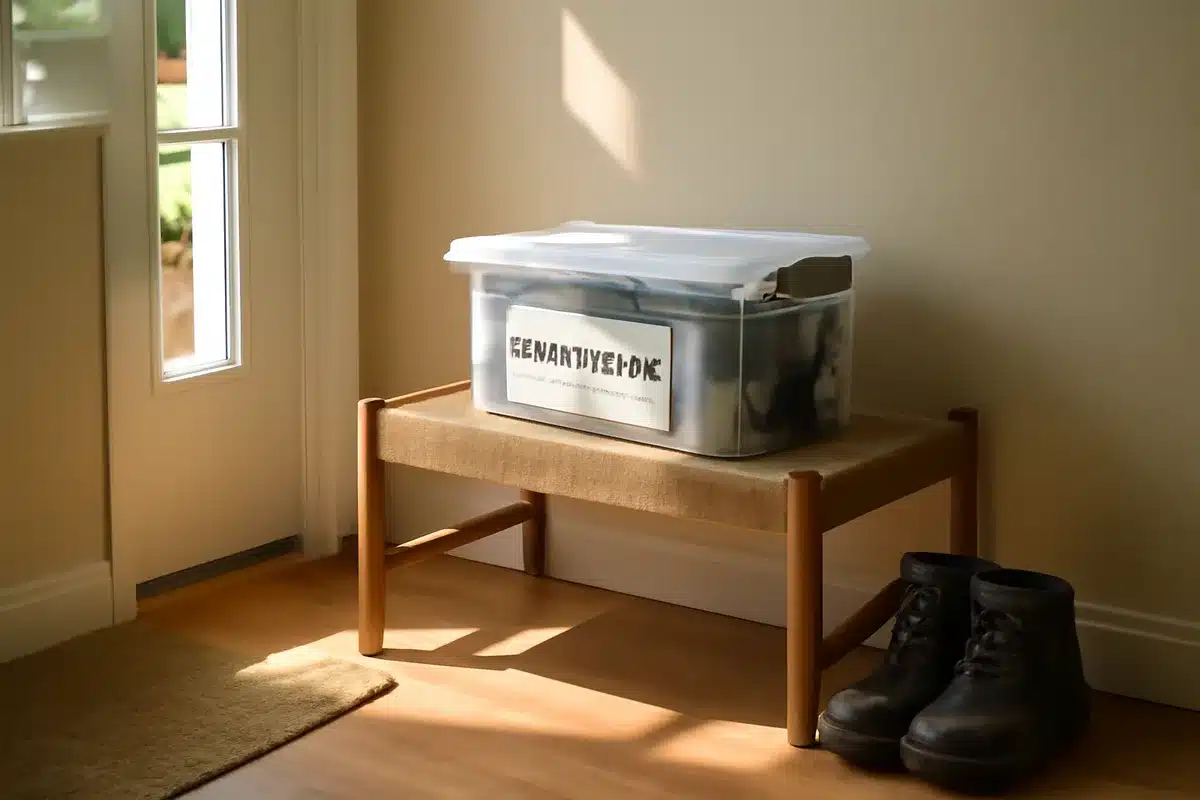
Start by assembling a compact kit that covers 72 hours of need. Keep items in a waterproof container and update them twice a year.

- Water: One gallon per person per day for three days.
- Nonperishable food: Canned goods, energy bars, and ready-to-eat meals.
- Flashlights and batteries: LED flashlights, extra batteries, and a hand-crank lantern.
- First-aid kit: Bandages, antiseptic, prescription meds, and a basic manual.
- Portable charger: Solar or battery-powered chargers for phones.
- Copies of important documents: IDs, insurance, and medical records in a sealed bag.
- Warm blankets, sturdy shoes, and a change of clothes for each family member.
How to create a household emergency plan that actually works
Plans fall apart when they are vague. Assign roles, choose meeting spots, and practice the plan once a season.
Step-by-step planning checklist
- List all household members and note special needs: medications, mobility, pets.
- Designate a primary and secondary meeting location near and far.
- Choose an out-of-area contact who can relay information between separated family members.
- Decide who is responsible for pets, vehicles, and shut-off tasks like water or gas.
- Practice evacuation drills and test communication devices regularly.
Protecting your home: quick fixes and longer-term investments
Small upgrades can prevent costly damage. Prioritize repairs based on local risks.
- Secure loose outdoor items: Store patio furniture and trash bins indoors before storms.
- Install storm shutters or impact-resistant windows if you live in a hurricane or wind zone.
- Trim trees and remove dead limbs to minimize falling debris.
- Elevate appliances in flood-prone basements and install a sump pump with battery backup.
- Label and learn how to shut off utilities safely.
Communications during outages: staying connected when networks fail
Cell towers and home internet can go down. Prepare multiple ways to share location and status.

Tools and tips for reliable communication
- Keep a charged power bank and a solar charger accessible.
- Use text messages or social apps that compress data to reach contacts during congestion.
- Consider a battery-powered emergency radio for official alerts.
- Program emergency contacts into multiple devices and write them down on a card.
Evacuation decisions: when to leave and what to bring
Knowing when to evacuate reduces last-minute panic. Monitor official warnings and follow local guidance.
- Heed mandatory evacuation orders immediately.
- Bring your emergency kit, essential documents, medications, and pet supplies.
- Leave early to avoid traffic, fuel shortages, and hazardous road conditions.
- If sheltering in place, move to an interior room without windows and keep supplies close.
Protecting valuables and managing insurance
After a disaster, insurance claims are easier when you are organized. Take photos and keep receipts.
- Create a home inventory with photos or video of valuables.
- Store digital copies of policies and receipts in cloud storage and on a USB drive.
- Understand what your policy covers: flood, wind, earthquake often require separate coverage.
- Contact your insurer promptly after damage and document all communications.
Special considerations for families, seniors, and pets
Different household members have unique needs that your plan must address.
- Children: Pack comfort items, snacks, and any required school or medical forms.
- Seniors: Ensure medication supplies and mobility aids are ready, and arrange caregiver backup.
- Pets: Include food, carriers, vaccination records, and a recent photo in case of separation.
Community resources and how to tap them
Local officials and nonprofits often provide shelters, supplies, and assistance after disasters.
- Register for community alert systems and emergency notifications.
- Locate nearby shelters, warming centers, and charging stations ahead of time.
- Volunteer with neighborhood preparedness programs to build mutual support.
Simple maintenance tasks that improve resilience
Routine actions make a big difference when severe weather arrives.
- Test smoke and CO detectors every month and replace batteries yearly.
- Inspect roofs and gutters each season to prevent water buildup.
- Rotate food and water supplies to keep them fresh.
- Practice your evacuation route at least twice a year.