Show summary Hide summary
- From unused lot to thriving urban garden: how it began
- Funding, permits and official backing that made it possible
- Design, planting plan and sustainable choices
- Benefits to residents and the local economy
- Events, education and volunteer programs
- How the partnership model keeps the project resilient
- Ways to get involved and what volunteers can expect
- Measuring impact: data and community feedback
- Scaling the idea across other neighborhoods
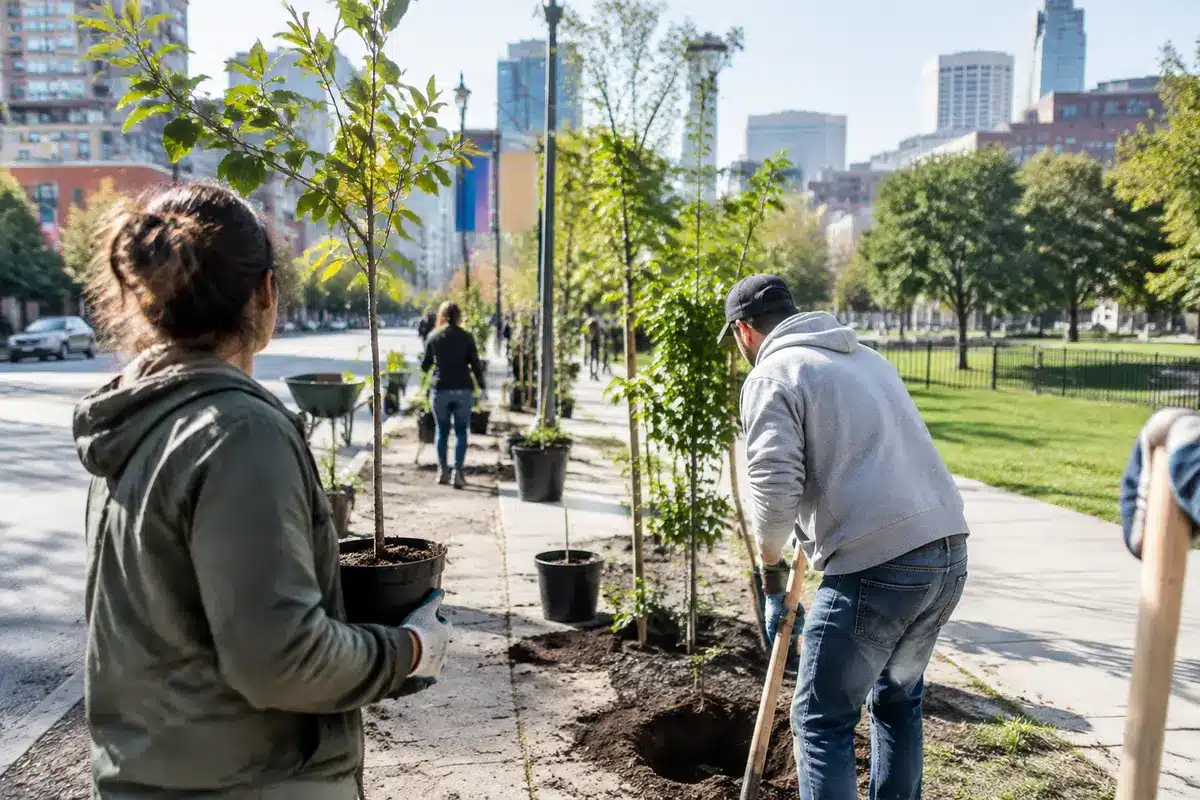
A vacant parcel in the heart of the neighborhood has been quietly transformed into a buzzing hub of green life, and residents say the change is already reshaping how they see their streets. What began as a small volunteer cleanup has grown into a larger effort with city backing, new funding and a steady stream of neighbors eager to learn and help.
From unused lot to thriving urban garden: how it began
US recession could arrive sooner than expected: economists predict
Gold price 2027: JPMorgan and experts reveal bold predictions
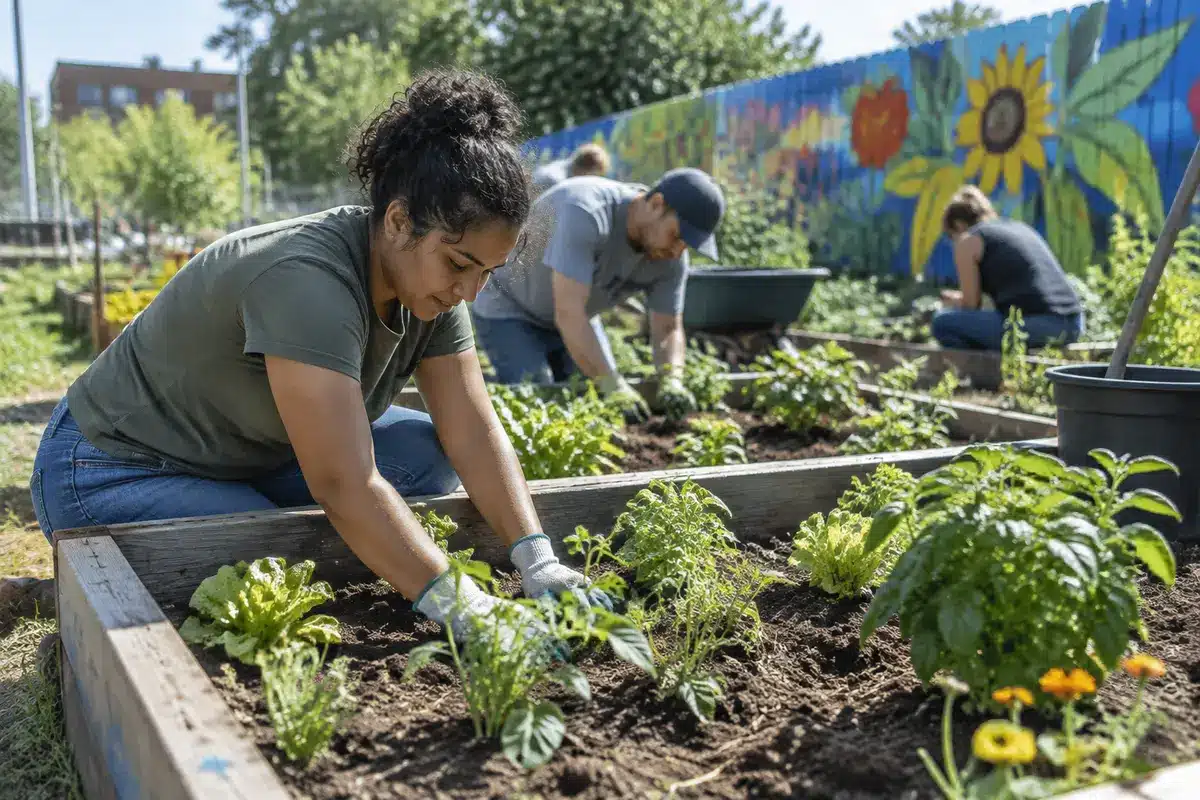
The project started when a group of neighbors met after a routine community meeting. They noticed the empty lot drew litter and discouraged foot traffic. Instead of waiting for a developer, they decided to act.
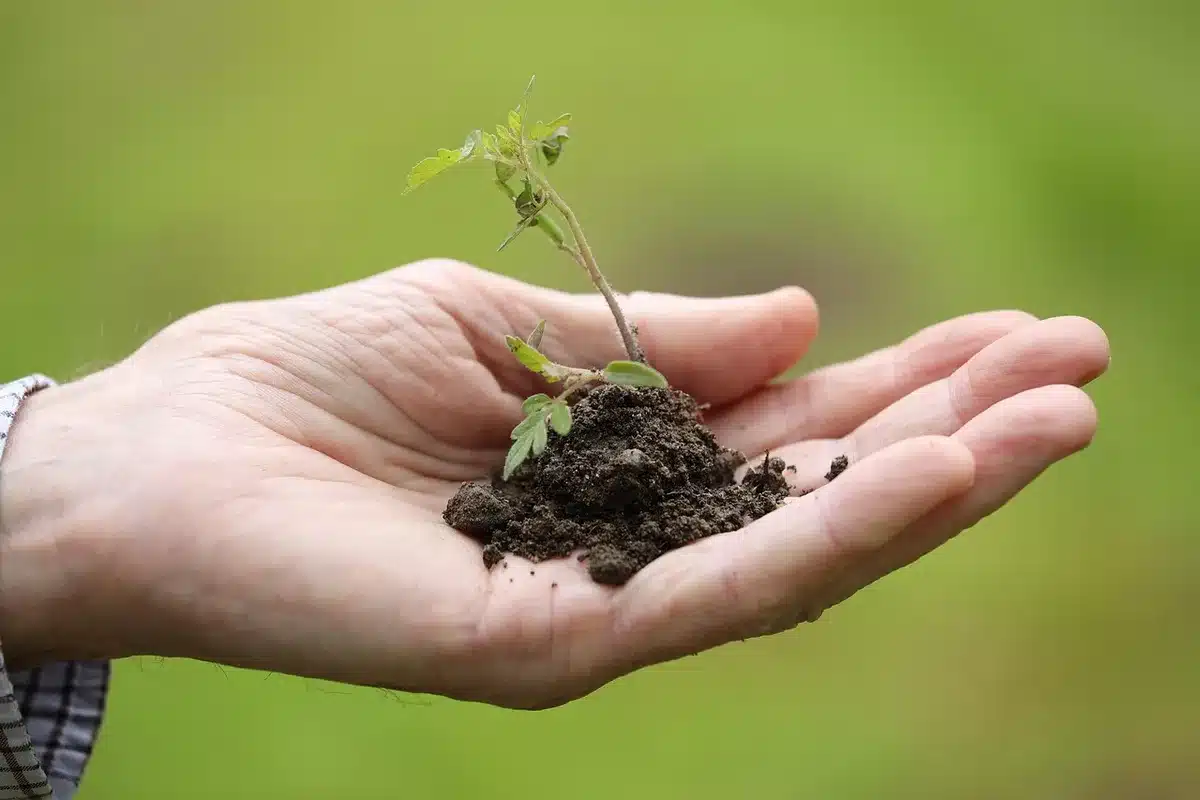
- Volunteers cleared debris in a series of weekend workdays.
- Local gardeners donated tools and seeds.
- Artists painted a mural to mark the space.
Early momentum came from a mix of small donations and hands-on volunteer effort. That grassroots energy attracted attention from a local nonprofit focused on urban revitalization.
Funding, permits and official backing that made it possible
Turning a vacant lot into a safe public garden required permits and funds. The organizers pursued several avenues.
Grants and municipal support
- City council green-space grants helped cover soil testing and fencing.
- A neighborhood improvement grant paid for raised beds and irrigation.
- Voluntary labor reduced total costs significantly.
City planners noted the project aligned with goals for more green space. Permits for public use and small construction were expedited.
Design, planting plan and sustainable choices
The garden design focused on low-maintenance, climate-resilient plants. Organizers prioritized native species and edible crops that would thrive with modest care.

- Native perennials to support pollinators.
- Vegetable beds rotated seasonally for steady harvests.
- Rain barrels and drip irrigation for water efficiency.
Composting stations turn food scraps into soil for the beds. Sustainability was built into every phase of the plan.
Benefits to residents and the local economy
Neighbors say the space has had immediate social and economic effects. It does more than grow plants.
- Improves mental health by offering a peaceful outdoor spot.
- Provides fresh produce to families and local food banks.
- Raises nearby property appeal and foot traffic for businesses.
Local cafes report more customers after community events. The garden helps both well-being and small commerce.
Events, education and volunteer programs
Organizers built a calendar of activities that welcomes all ages. Workshops cover topics from composting to small-scale beekeeping.
- Monthly planting days for families and schools.
- Workshops led by experienced gardeners.
- Seed swaps and seasonal harvest festivals.
Schools use the garden as a living classroom. Hands-on programs aim to teach children about food systems and ecology.
How the partnership model keeps the project resilient
Instead of one sponsor, the garden relies on a network of partners. This reduces risk and increases community ownership.
- A nonprofit handles fundraising and compliance.
- A local business provides materials and occasional funding.
- Volunteers manage daily upkeep and programming.
This distributed model helps sustain the space through changing seasons and leadership shifts.
Ways to get involved and what volunteers can expect
Anyone can join with a short orientation session. Roles vary by interest and time availability.
- Short-term tasks: plant watering, weeding, event setup.
- Long-term roles: garden steward, treasurer, outreach coordinator.
- Skill-building: training in composting, irrigation, and permaculture.
Volunteers report a strong sense of belonging and visible results from their work. Newcomers are welcomed at monthly meetups.
Measuring impact: data and community feedback
Leaders track both tangible and anecdotal outcomes. Metrics include pounds of food grown, volunteer hours and event attendance.
- Regular surveys capture resident satisfaction.
- Harvest logs quantify food donations to local pantries.
- Environmental measures track water use and biodiversity gains.
Early reports show a steady increase in volunteer hours and food production, reinforcing the project’s value.
Scaling the idea across other neighborhoods
City officials and nonprofits are mapping vacant parcels that could host similar projects. The aim is to replicate what works.
- Toolkits and templates for permits and designs are being prepared.
- Seed funding and mentorship will support new groups.
- Partnerships with schools and businesses are encouraged.
Planners emphasize local leadership as the key to lasting success. Replication depends on neighborhood buy-in and adaptable models.