Show summary Hide summary
- What the new urban greening plan includes
- Why leaders say the program matters for the city
- How neighborhoods will be prioritized
- Community roles and volunteer opportunities
- Funding and partnerships that back the plan
- Expected benefits with measurable targets
- Expert perspectives on urban trees and climate resilience
- Potential challenges the city must address
- How progress will be tracked and reported
- What residents should expect in the coming months
City officials unveiled a wide-reaching urban greening plan today that promises to reshape neighborhoods, cut heat, and boost public health. The program pairs large-scale tree planting with community-led stewardship and new funding for green infrastructure. Officials say the move is aimed at improving climate resilience and quality of life across the metropolitan area.
What the new urban greening plan includes
Gold price 2027: JPMorgan and experts reveal bold predictions
USD/INR outlook: is the Indian rupee headed for a big move before 2027?
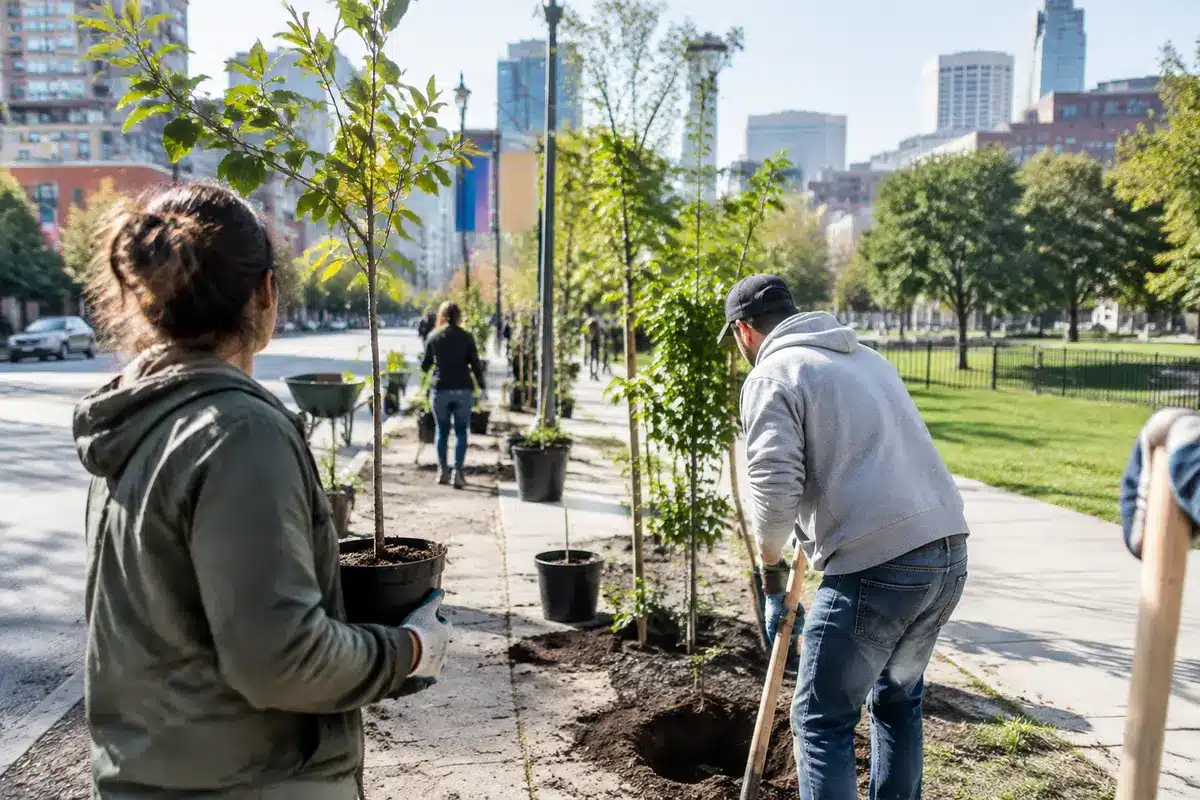
The initiative, called Green Canopy 2030, sets clear targets and a multi-year schedule. It combines tree planting, park upgrades, and street-level rainwater management. Officials emphasize quick wins and long-term resilience.
- Target: 50,000 new street and park trees by 2030.
- Early actions: Planting corridors in heat-vulnerable neighborhoods within the first 18 months.
- Infrastructure: Rain gardens and permeable pavements at priority sites.
- Funding: A mix of municipal bonds, grants, and private partnerships.
Why leaders say the program matters for the city
City leaders stress this is more than planting trees. They link the plan to public health, flood mitigation, and property value stabilization.
- Tree shade reduces urban heat islands and lowers cooling costs.
- Vegetated swales slow storm runoff and reduce flooding.
- Green spaces promote physical activity and mental well-being.
How neighborhoods will be prioritized
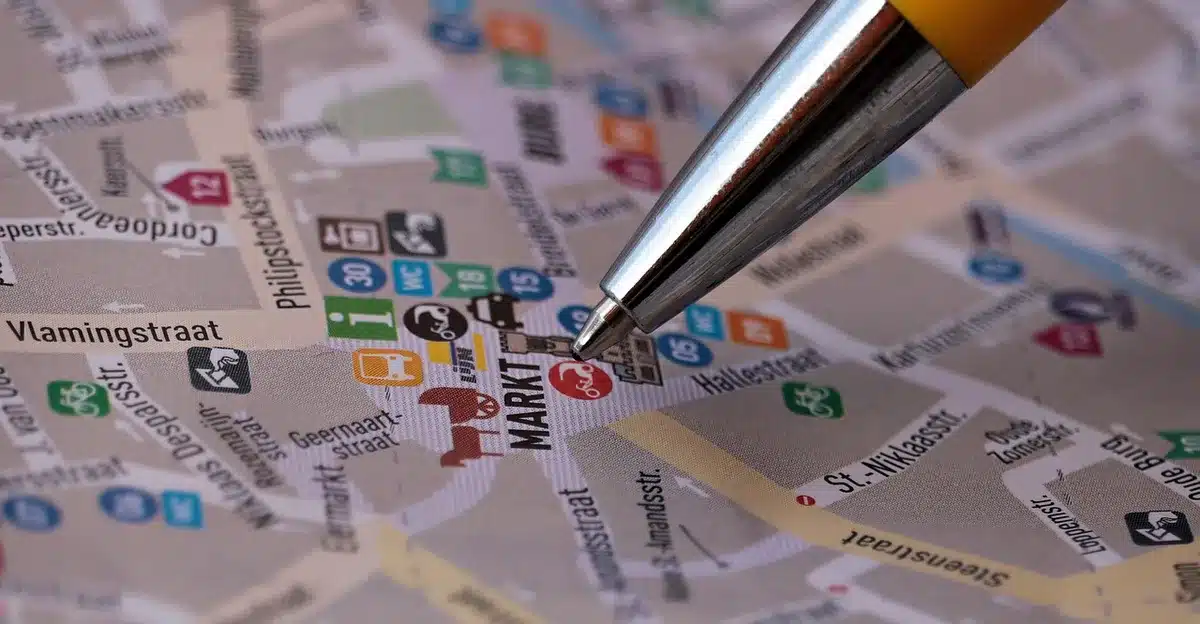
A data-driven map will guide where resources flow. Officials will weigh heat exposure, pollution, income levels, and park access.
Priority criteria used
- Areas with high summer temperatures and limited canopy cover.
- Neighborhoods with elevated asthma and cardiovascular risk.
- Locations with poor access to parks and recreation.
Community roles and volunteer opportunities
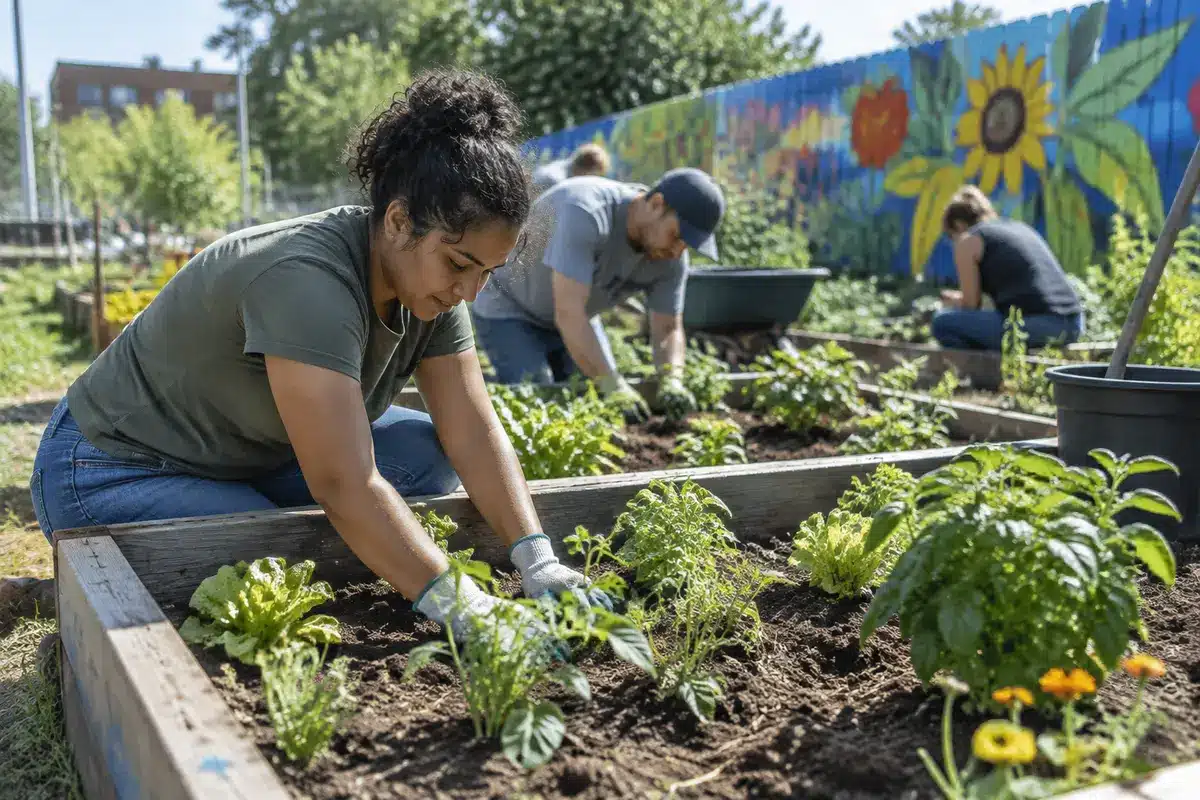
Residents are invited to take part at every stage. Volunteer teams will plant trees, maintain young stock, and help monitor outcomes.
- Sign up at local community centers or the city website.
- Attend a planting workshop; learn tree care basics.
- Join neighborhood stewardship groups for regular maintenance.
Volunteer stipends will be available for low-income participants to encourage broad involvement.
Funding and partnerships that back the plan
The program blends public and private dollars. City officials secured new bonds and matched them with philanthropic grants.
- Municipal bond allocation: $75 million over five years.
- Federal resilience grant: $12 million.
- Corporate and foundation partnerships for tree care training.
Expected benefits with measurable targets
Planners set concrete metrics to track progress. Performance measures will be updated publicly each quarter.
- Canopy coverage increase: from 28% to 38% by 2030.
- Reduction in emergency heat-related calls in planted zones.
- Improved stormwater absorption at retrofitted sites.
Expert perspectives on urban trees and climate resilience
Environmental scientists applaud the ambition but urge careful species selection and long-term care. Native trees reduce maintenance needs and better support local biodiversity.
Key technical recommendations
- Diverse species mix to prevent pest and disease collapse.
- Soil improvement before planting to ensure survival.
- Post-planting irrigation and monitoring for the first three years.
Potential challenges the city must address
Implementers acknowledge hurdles. Theft, vandalism, and planting in confined urban soils are recurring issues. Planners say early maintenance funding is critical to avoid high tree mortality.
- Ensuring long-term maintenance budgets.
- Navigating utilities and sidewalk conflicts during planting.
- Equitable distribution of canopy benefits across neighborhoods.
How progress will be tracked and reported
The city will launch an online dashboard with interactive maps and quarterly updates. Residents can view planting schedules and report problems directly.
- Live map of tree locations and species.
- Quarterly canopy coverage and health reports.
- Public feedback channel for maintenance requests.
What residents should expect in the coming months
Planting crews will begin work on major corridors and parks this season. Neighborhood outreach teams will host meetings and distribute calendars for volunteer events.
- Door-knocking campaigns to inform affected blocks.
- Local planting days open to families and groups.
- Workshops on tree care and small-scale stormwater fixes.