Show summary Hide summary
- Why urban infrastructure is under unprecedented strain
- New engineering approaches shaping resilient cities
- How funding and policy are shifting to support resilience
- Community action and equity in resilience planning
- Private sector roles: innovations and business models
- Practical steps residents can take now
- Emerging technologies to watch
Cities worldwide are racing to strengthen roads, power grids and drainage as storms grow fiercer and heat waves worsen. Local leaders now call resilience a core part of planning, not an add-on. This shift is reshaping budgets, contracts and daily life for millions of residents.
Why urban infrastructure is under unprecedented strain
Bitcoin crash imminent: U.S. economist warns last chance to sell
Catastrophic liquidation event incoming: senior strategist issues urgent warning
Extreme weather now hits more often and with greater intensity. Floods and heat stress expose weak points in aging systems. Planners warn that previous design assumptions no longer hold.

- Stormwater systems were built for a cooler, drier climate.
- Electrical grids were not designed for prolonged high loads.
- Transportation networks face rising maintenance needs.
Failure to adapt risks cascading outages, costly repairs, and public safety threats.
New engineering approaches shaping resilient cities
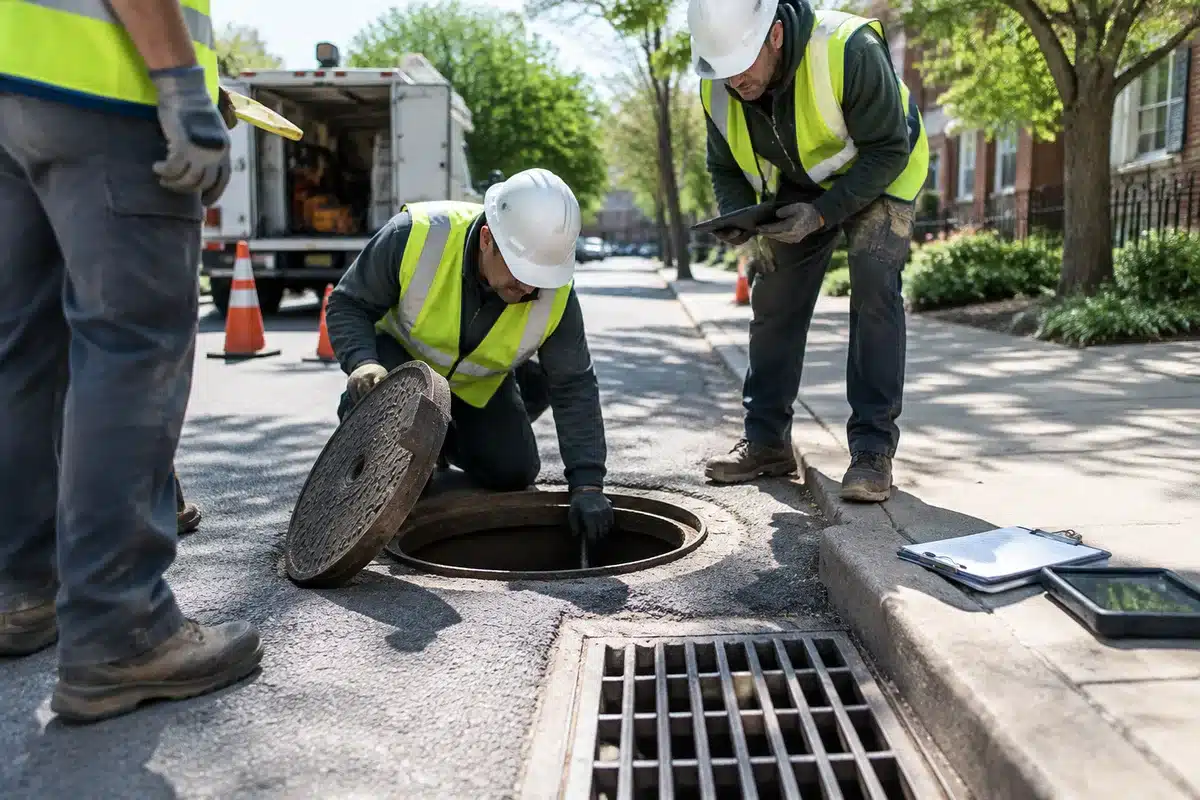
Plugging vulnerabilities requires both high-tech fixes and simple solutions. Cities are pairing smart sensors with nature-based design.
Smart sensors and real-time monitoring
- Sensors track water levels and pipe pressure.
- Data platforms alert crews before failures cascade.
- Predictive maintenance delays major breakdowns.
Green infrastructure and passive systems
- Rain gardens and permeable pavement reduce runoff.
- Urban trees lower temperatures and slow stormwater.
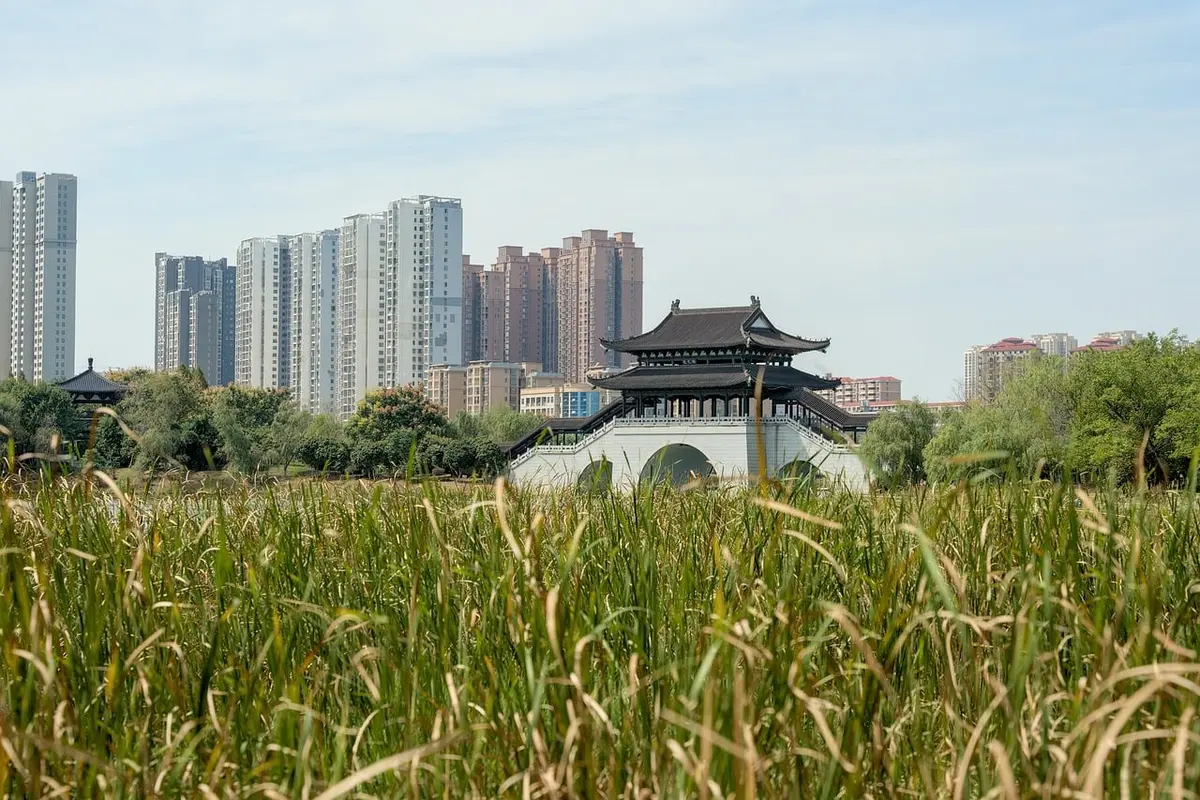
- Wetlands and parks act as buffers against floods.
Combining digital tools with nature lowers long-term costs and improves livability.
How funding and policy are shifting to support resilience
Governments are reallocating capital to prioritize resilience. Grants and loans now favor projects with measurable climate benefits.
- Federal and regional funds target stormwater and grid upgrades.
- Bond issues for resilience projects gain voter support.
- New building codes require climate-forward design.
Private investors are also moving. Insurance markets are pricing risk more accurately. That pushes developers to include durable materials and designs.
Community action and equity in resilience planning
Resilience must reach neighborhoods most exposed to hazards. Cities are using participatory planning to close gaps.
- Local councils map vulnerability by income and race.
- Small grants support community-led cooling and drainage efforts.
- Workforce programs train local residents in retrofits.
Equitable projects reduce harm and strengthen social cohesion, improving outcomes after extreme events.
Private sector roles: innovations and business models
Companies are offering resilience as a service. From microgrids to flood-proofing packages, private solutions fill public gaps.
- Energy firms deploy localized microgrids for critical sites.
- Engineering firms sell modular, rapid-deploy barriers.
- Insurtech platforms reward resilient upgrades with lower premiums.
Public-private partnerships accelerate deployment while sharing risk.
Practical steps residents can take now
Individual actions matter and can reduce exposure to common hazards. Simple preparations improve safety and recovery speed.
- Create an emergency kit with water, meds, and chargers.
- Elevate utilities and protect basements from runoff.
- Plant shade trees or install reflective roofing to cut heat.
- Stay informed through local alert systems and community groups.
Small investments at the household level often pay off quickly in avoided damage and lower insurance costs.
Emerging technologies to watch
Several innovations show promise for scaling resilience fast. Cities keep testing prototypes in pilot projects.
- AI-driven flood forecasting for targeted evacuations.
- Advanced materials that resist corrosion and heat.
- Distributed energy resources integrated with demand response.
Adopting these tools requires policy support and careful evaluation to avoid creating new vulnerabilities.