
Show summary Hide summary
- Account closures ignite outrage among crypto advocates
- JPMorgan research stokes market anxiety over Strategy and Bitcoin exposure
- Organized calls for a Chase boycott gain momentum
- Possible consequences for deposits, flows, and market perception
- Wider implications for crypto firms and traditional banks
- What investors and customers should track next
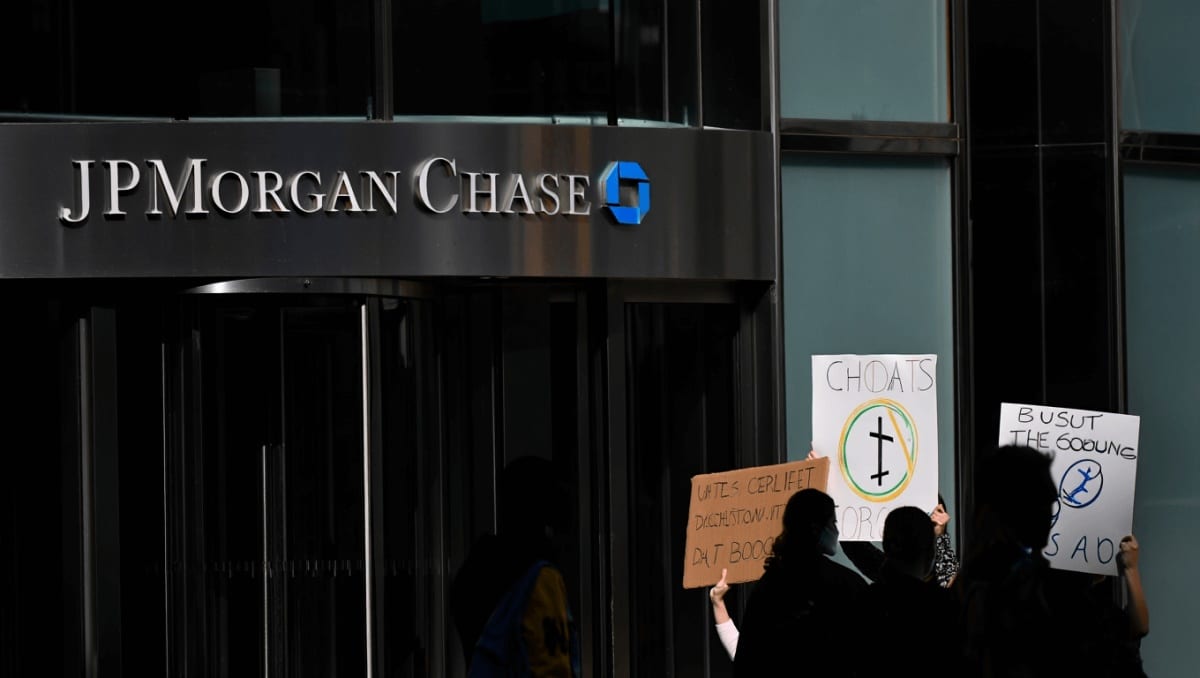
JPMorgan Chase is trading cautiously in pre-market hours near $298.68, yet its calm share price masks a growing clash with the cryptocurrency community. A string of account closures and a controversial research note have sparked calls for a boycott, putting the bank at the center of a heated debate over how legacy banks treat Bitcoin-focused firms.
Account closures ignite outrage among crypto advocates
The controversy intensified after Jack Mallers, founder of Strike, revealed that JPMorgan closed his personal banking relationships in September 2025. Mallers posted a framed closure notice on X and described the move as sudden and unexplained.
Bitcoin crash imminent: U.S. economist warns last chance to sell
Catastrophic liquidation event incoming: senior strategist issues urgent warning
The bank cited compliance concerns, but did not offer a detailed public justification. That uncertainty fueled frustration across crypto circles, which view access to banking services as critical for industry growth.
- Strike founder: account closed abruptly.
- Crypto influencers highlight long-term ties severed without clarity.
- Users and firms question fairness and transparency in bank compliance reviews.
JPMorgan research stokes market anxiety over Strategy and Bitcoin exposure
Separately, JPMorgan’s research team flagged a potential risk to Strategy (NASDAQ: MSTR). The note focused on the prospect that index provider MSCI could remove “digital asset treasury companies” from certain indexes by early 2026.
Strategy, known for its large Bitcoin holdings, owns roughly 650,000 BTC at an average cost between $66,000 and $74,000 per coin. JPMorgan estimated forced outflows could reach about $8.8 billion if MSCI follows through.
Why that warning matters
- Strategy’s stock is closely tied to Bitcoin’s market value.
- Index exclusion could trigger institutional selling.
- Rapid outflows would add stress to both equity and crypto markets.
Organized calls for a Chase boycott gain momentum
High-profile figures in crypto have urged users to close JPMorgan accounts. Prominent voices, including Grant Cardone and Max Keiser, publicly encouraged customers to move funds elsewhere.
Some customers responded, reporting account transfers and card changes on social platforms. These moves are primarily symbolic today, but they signal growing mistrust.
- Social media campaigns push for banking switches.
- Some users report completed account moves to rival banks.
- Others avoid JPMorgan credit products as a form of protest.
Possible consequences for deposits, flows, and market perception
If the boycott widens, the bank could face more than reputational damage. Withdrawals and reduced transaction volumes could affect deposit balances and fee income.
A sustained drop in deposits would pressure short-term liquidity and could influence investor sentiment toward JPMorgan’s shares.
- Short-term: reputational headwinds and customer churn.
- Medium-term: potential declines in transaction fees and deposit base.
- Long-term: investor reassessment of bank exposure to reputational risk.
Wider implications for crypto firms and traditional banks
This episode highlights a growing fault line between crypto-native businesses and mainstream financial institutions. When a major bank’s actions—whether through account terminations or public research—appear to single out digital-asset companies, the reaction is rapid and amplified.
- Regulatory observers may watch for spillover effects.
- Crypto firms may seek alternative banking partners or new payment rails.
- Traditional banks will weigh the reputational cost of strict compliance versus customer relationships.
What investors and customers should track next
Key developments to watch include actual withdrawal volumes, any statement from MSCI about index changes, and further communication from JPMorgan about its compliance standards.
- Daily deposit flow reports and bank statements.
- MSCI announcements on index methodology.
- Public responses from affected crypto firms and influencers.










