
Show summary Hide summary
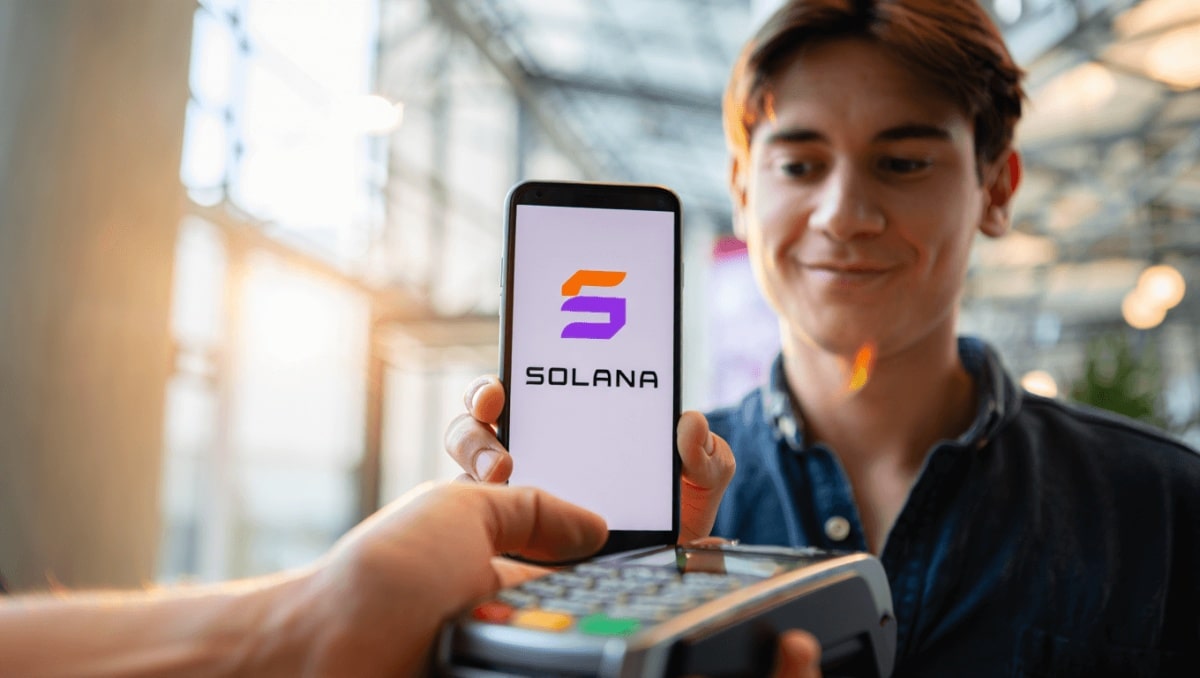
Revolut has enabled native Solana access inside its app, letting users pay, transfer and stake SOL without leaving the platform. The change moves Solana from a simple trading asset to an active payments network inside one of Europe’s largest neobanks.
Revolut brings Solana functionality to millions of customers
Revolut serves tens of millions of consumers across Europe and beyond. Until now, Solana was mainly available on the app as an investment option.
Bitcoin crash imminent: U.S. economist warns last chance to sell
Catastrophic liquidation event incoming: senior strategist issues urgent warning
With the latest update, Revolut has rolled out native Solana (SOL) support, expanding the app’s role from broker to on-ramp and payments hub. The announcement was amplified on social media by the Solana team, underscoring a growing partnership between crypto platforms and fintech firms.
What users can do with SOL inside the Revolut app
The new features let customers interact with the Solana network in practical ways. Key capabilities include:
- Send and receive SOL quickly over the Solana blockchain.
- Stake SOL directly in-app to earn rewards.
- Make peer-to-peer payments and withdraw funds via the Solana network.
- Use stablecoins on Solana—USDT and USDC—for transfers and payments.
These tools turn Revolut into a single place for fiat, crypto trading, and on-chain activity.
How this shifts Revolut’s crypto roadmap
Previously, Revolut supported a limited set of chains for trading, such as Bitcoin and Ethereum. Native Solana access changes the scope.
- It lowers friction for users who want fast, low-cost transfers.
- It creates a simpler path for mainstream adoption of Solana-based payments.
- It positions Revolut as a hub that supports multiple token types and transfer rails.
Solana’s growing footprint in fintech
Solana has been integrated by several consumer-focused services already. Apps like Cash App and Venmo, and networks such as Western Union, have shown interest in Solana rails for speed and cost.
By adding Revolut, Solana gains exposure to a large base of retail users who may start using crypto for everyday payments.
Product and technical details users should know
Speed, fees and staking mechanics
- Solana transactions settle fast, which helps instant transfers within the app.
- Fees are typically lower than on many other chains, improving micro-payments.
- Staking is offered in-app; rewards and lock-up conditions will follow Revolut’s interface.
Tokens and transfer options
- SOL for native transfers and staking.
- USDT and USDC for stablecoin transactions on Solana.
- P2P payments and external withdrawals to Solana addresses.
What to watch next
Industry eyes are on upcoming events such as Breakpoint 2025 in Abu Dhabi for additional product announcements. Revolut users and Solana supporters alike will be tracking any new integrations or roadmap details revealed there.










