
Show summary Hide summary
Markets may sprint into early 2026 on a wave of optimism, only to reverse sharply later in the year, warns economist Henrik Zeberg. Investors greeted the new year with high expectations after a strong 2025 for equities, but Zeberg argues that the current upswing looks more like a late-cycle frenzy than the start of steady growth.
Why a short-term melt-up remains plausible
Several forces can keep risk assets climbing for weeks or months. Momentum, easy liquidity and upbeat growth stories have combined to lift prices even as economic measures show strain.
Bitcoin crash imminent: U.S. economist warns last chance to sell
Catastrophic liquidation event incoming: senior strategist issues urgent warning
- Strong equity performance in 2025 recruited fresh buyers.
- Optimism about technology-led productivity lifts appetite for risk.
- Expectations of a soft landing have reduced fear of recession.
- Central bank rhetoric and lingering liquidity can sustain asset flows.
Zeberg accepts this logic, noting that exuberance can produce an aggressive advance. He expects further short-term gains driven by investor FOMO and the momentum trade.
Signs the rally is drifting from economic reality
While markets push higher, underlying fundamentals tell a different story. Zeberg points out that price action often peaks when the real economy shows weakening trends.
Key disconnects to watch
- Slowing employment or industrial data while equities hit new highs.
- Corporate profits under pressure despite rising stock valuations.
- Credit spreads widening even as risk appetite grows.
This separation between market prices and economic health is a common feature near major market tops, according to Zeberg. He says speculative flows and liquidity can mask deteriorating fundamentals until a tipping point arrives.
Historical lessons: peaks before painful drops
Past cycles show markets often reach fresh highs just before steep corrections. Zeberg references these patterns to argue that the current backdrop resembles a late-stage blow-off.
- Momentum-driven runs can exhaust buyers quickly.
- Investor complacency builds as downside risks are discounted.
- Once sentiment shifts, rapid de-risking can occur.
Rather than a sustained bull market, this pattern suggests a brief euphoria followed by a harsher reckoning when economic reality catches up.
Risks that could trigger a sharp reversal in 2026
Several catalysts could end the sugar-high rally and spark a significant correction. Investors should monitor these triggers closely.
- Evidence of slowing GDP growth or weak consumer spending.
- Rising inflation that forces tighter monetary policy.
- Weak corporate earnings reports that fail to justify lofty valuations.
- Liquidity shocks or rapid unwinds in crowded trades.
- Geopolitical surprises that spike risk premia.
Any one of these developments could flip sentiment quickly, turning a melt-up into a severe downturn.
Practical signals and portfolio steps to consider
Zeberg’s view suggests tactical positioning: benefit from near-term upside but prepare for elevated volatility beyond the early months of 2026.
- Trim exposure to highly speculative names after strong rallies.
- Increase cash or short-duration fixed income to buffer sudden stress.
- Use hedges or options to protect gains without fully exiting positions.
- Watch credit spreads, hiring data and corporate guidance for early warning signs.
Short-term tactical gains are possible, yet investors should balance that with protection against a late-cycle reversal.
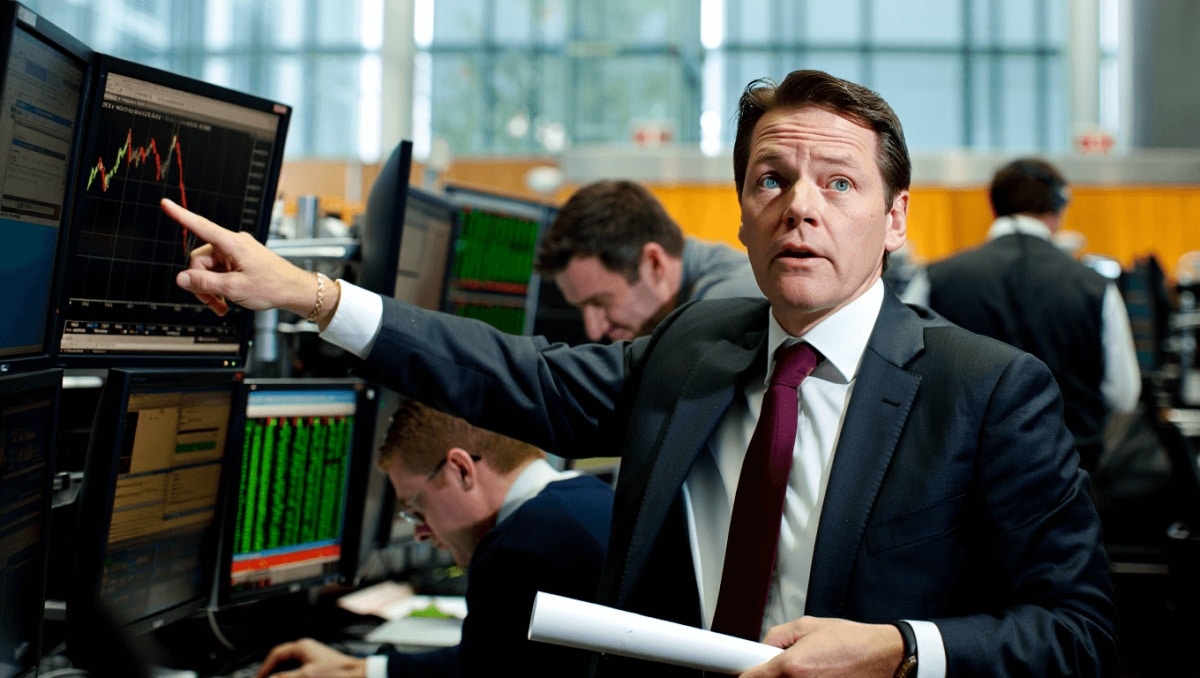
Featured image via Shutterstock










