
Show summary Hide summary
- Dollar surge tied to regional hostilities and energy risk
- How oil invoicing and trade patterns lift the dollar
- Which currencies took the biggest hit
- Safe-haven flows and commodity havens
- Immediate market developments that could push the DXY further
- Why the dollar was already strengthening before the conflict reignited
- Short-term scenarios traders are pricing
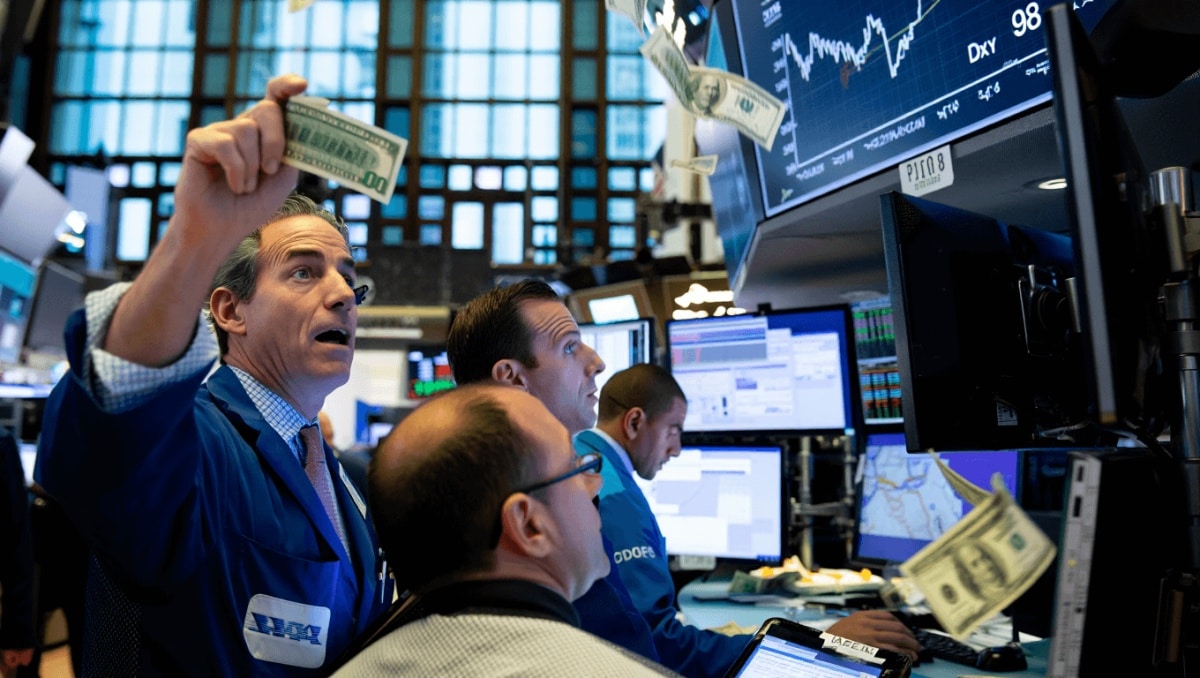
The U.S. Dollar Index surged to its highest level in over a month after a violent weekend of strikes and counterstrikes in the Middle East. Markets reacted fast, pushing the DXY above 98 as traders rushed into dollars amid fresh uncertainty over energy routes and supplies.
Dollar surge tied to regional hostilities and energy risk
Investors favored the greenback after attacks early Saturday widened a regional confrontation. The DXY rose sharply, recording a weekend gain near 0.74%, as capital flowed toward perceived safety.
Bitcoin crash imminent: U.S. economist warns last chance to sell
Catastrophic liquidation event incoming: senior strategist issues urgent warning
Disruption and damage to oil infrastructure in the Persian Gulf heightened worries about supply chains. That threat boosted demand for the dollar, which remains the dominant currency for global energy trade.
How oil invoicing and trade patterns lift the dollar
Petroleum and many other commodities are still largely priced in dollars. When supply routes are threatened, the currency that invoices these trades often benefits.
- Global sellers and buyers prefer dollar settlements for crude and refined products.
- Any production shut-down, or route closure, can push traders to move into USD.
- Those flows are amplified when geopolitical risk spikes suddenly.
Which currencies took the biggest hit
Several major peers to the dollar weakened rapidly as risk-off sentiment rose. The fallout concentrated on economies most exposed to energy imports or trade through vital sea lanes.
Euro under pressure from energy worries
The euro slumped over the weekend amid fears of higher fuel costs in Europe. Years of reducing reliance on Russian gas have left the bloc dependent on alternative supplies.
Concerns about rising import bills and inflationary pressure weighed on the euro and on investor appetite for European assets.
Asia-Pacific currencies slide on Hormuz risk
Regional currencies, including the Chinese yuan and the Australian dollar, fell as markets re-priced the risk of major shipping disruptions through the Strait of Hormuz.
Countries that rely on oil and gas shipped along that corridor are particularly vulnerable, which translated into currency weakness across East Asia and the Pacific.
Safe-haven flows and commodity havens
When uncertainty spikes, capital often reallocates into assets perceived as safe or hard to replace. Over the last two days, several such assets moved higher.
- Gold and silver gained as investors sought inflation hedges and liquidity.
- The Swiss franc strengthened on its reputation as a haven currency.
- Short-term U.S. assets also drew inflows, supporting the DXY.
Immediate market developments that could push the DXY further
Market participants are watching a few key items that could extend the rally.
- Escalation in the region: additional attacks or wider military engagement.
- Major oilfield shutdowns or production cuts, including moves by big producers.
- Sharp falls in euro, yuan, or other major currencies tied to energy exposure.
- Stronger-than-expected U.S. data that further boosts dollar yields and demand.
Reports indicate an Aramco-operated field was taken offline after a strike. Any prolonged closure at large Saudi facilities would tighten global supply and likely reinforce dollar strength.
Why the dollar was already strengthening before the conflict reignited
The greenback had been firming ahead of the recent outbreak of violence. February brought optimism for the dollar after several weeks of gains.
One factor was incoming data showing the Producer Price Index rose 0.5% month-over-month. That print hinted at ongoing price pressures and helped underpin the dollar in late February.
Short-term scenarios traders are pricing
- Risk-on reversal: quick de-escalation could send funds back into equities, easing the DXY.
- Prolonged conflict: sustained disruptions would favor the dollar and safe-haven metals.
- Economic surprises: stronger U.S. inflation or growth data would amplify dollar gains.










