
Show summary Hide summary
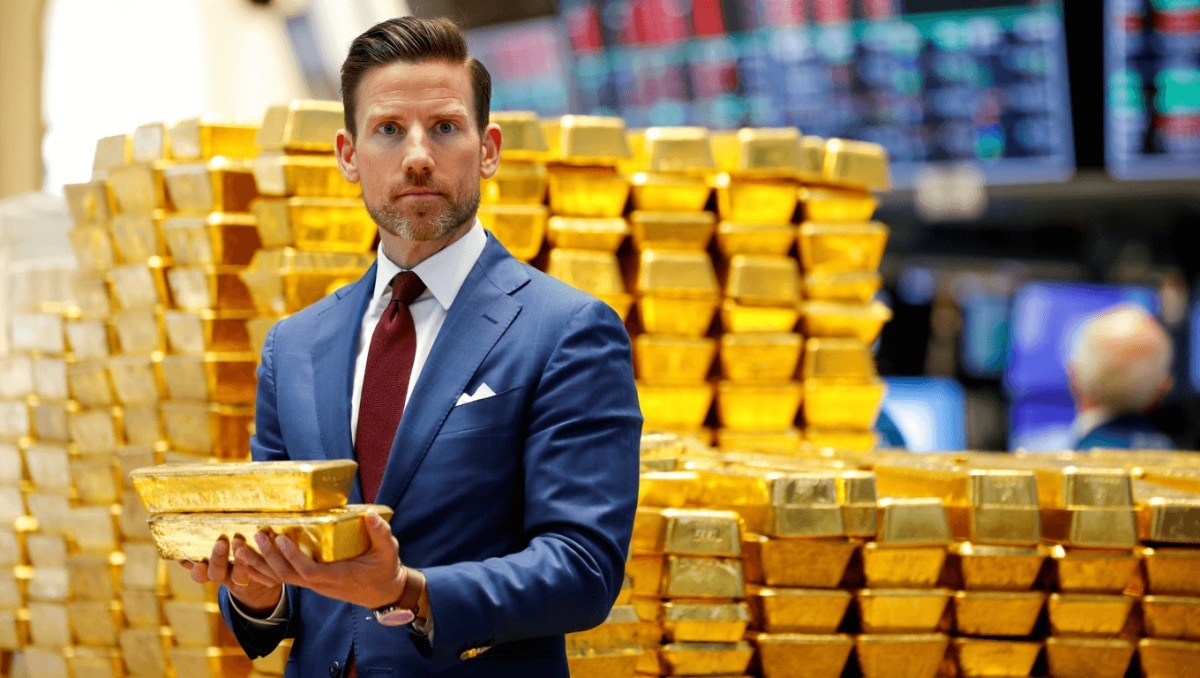
Gold’s meteoric climb since early 2022 has captured investors and headlines. As of March 3, the metal traded near $5,151 an ounce, a surge of roughly 161% from just years ago. Now some strategists say that the geopolitical forces that pushed prices to those levels may be easing — and that could change the outlook for gold, oil, and silver.
What fueled the unprecedented gold rally
Investors piled into gold when global tensions spiked. The 2022 invasion of Ukraine was a major trigger. Central banks and retail buyers treated the metal as a safe store of value.
Bitcoin crash imminent: U.S. economist warns last chance to sell
Catastrophic liquidation event incoming: senior strategist issues urgent warning
- Large-scale purchases by central banks.
- Retail demand for safety amid geopolitical shock.
- Inflation fears and currency concerns.
The combination of those forces created intense buyer demand. That drove multi-year highs for gold and pushed related assets higher.
Mike McGlone’s case for a peak in precious metals
Mike McGlone, a commodity strategist at Bloomberg, argues the tailwind from geopolitical risk might be fading. He points to recent shifts in global power dynamics and U.S. policy wins.
McGlone suggests that if U.S. actions reduce the influence of anti‑American regimes, the safety bid that lifted gold could weaken. In his view, markets often price geopolitical risk quickly — and they can reverse it just as fast.
McGlone warns that removing key sources of instability may remove a core pillar of gold’s rally.
Are oil and silver likely to peak with gold?
The same thesis extends to energy and industrial metals. Higher oil and silver prices were also tied to conflict and supply disruption.
Why those markets moved
- Disruption at production sites and shipping lanes pushed oil higher.
- Silver benefited from both safe‑haven buying and industrial demand.
- Autocorrelation and a mild uptick in market volatility can amplify moves.
McGlone noted scenarios where Brent crude near $80 and silver spiking toward $100 could mark temporary highs if geopolitical pressure eases.
Market signals that support the view
Recent price action in other assets appears to align with the idea of a risk‑off reversal. Bitcoin, metals, and equities have shown quick swings as headlines evolve.
- Bitcoin plunged then recovered, signaling short-lived panic.
- Gold and silver saw sharp intraday declines after initial escalation.
- Some equity markets rallied, reflecting confidence in a narrow military outcome.
For example, Bitcoin fell toward $63,000 before bouncing above $67,000. At the same time, both gold and silver registered notable drops. Meanwhile, certain national stock indices hit new highs as investors bet on swift resolution.
Historical examples that argue for caution
Even if instability subsides now, history warns that military victories can produce long-term volatility. Past interventions created unintended consequences.
- Post‑Gaddafi Libya descended into prolonged conflict and state failure.
- Foreign involvement in Afghanistan helped sow later instability.
- Regime changes can produce unpredictable regional spillovers.
These precedents show that a short-term easing of risk does not guarantee a permanent reduction in geopolitical shocks.










