
Show summary Hide summary
- Top investor flags sudden oil surge if Iran escalates
- Why the Strait of Hormuz is a flashpoint for energy markets
- Immediate market reaction: headlines, not fundamentals
- How sanctions and trade patterns shape the supply picture
- Recent price swings and on-the-ground disruption
- How long could prices stay elevated?
- Key indicators traders and policymakers are watching
- Market sentiment and investment outlook
A rising military tit-for-tat in the Middle East has investors watching oil closely, with at least one high-profile market veteran warning of sudden price spikes if Tehran moves to choke off a key shipping lane.
Top investor flags sudden oil surge if Iran escalates
Rick Rule, founder of Rule Investment Media, told a recent interview that crude prices could jump sharply if Iran resorts to actions that threaten shipping through the Strait of Hormuz. He framed the risk as headline-driven and immediate.
Bitcoin crash imminent: U.S. economist warns last chance to sell
Catastrophic liquidation event incoming: senior strategist issues urgent warning
Rule warned that even a temporary disruption would rattle markets and send prices sharply higher, though he added Tehran lacks the long-term capability to sustain a full blockade.
Why the Strait of Hormuz is a flashpoint for energy markets
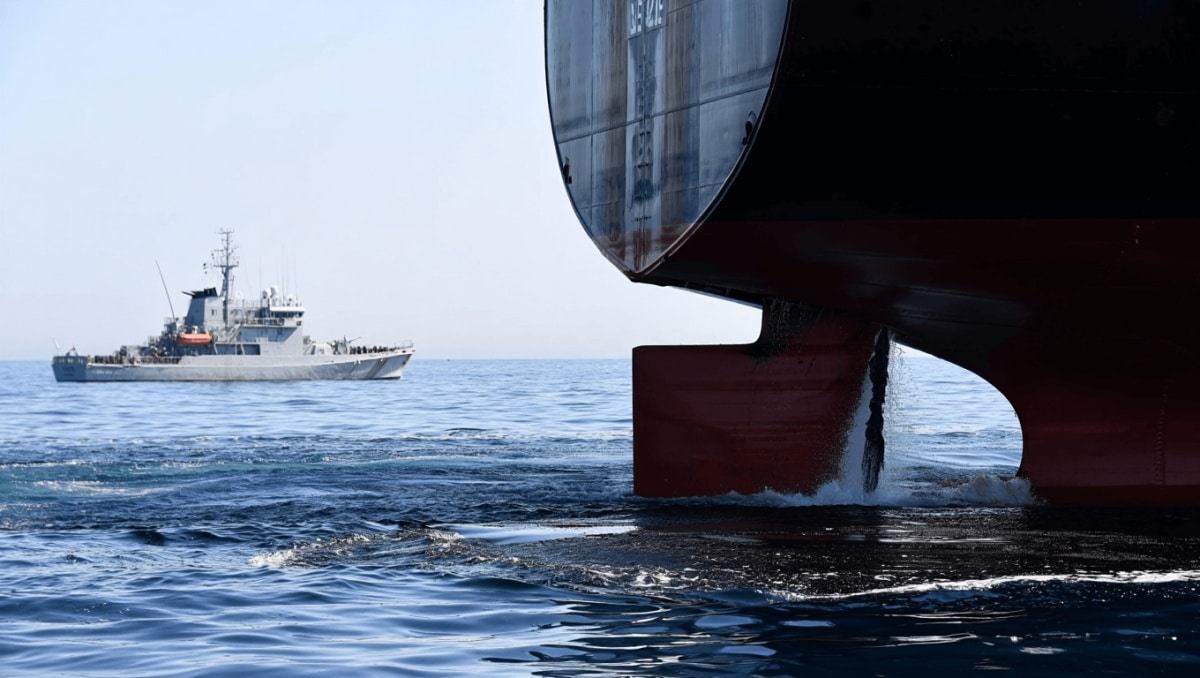
This narrow waterway connects Persian Gulf producers to global customers. Its importance amplifies any threat.
- Roughly one-fifth of global oil passes through the strait.
- Significant liquefied natural gas flows also transit the route.
- Closing or threatening the route raises freight and insurance costs quickly.
The sheer volume that moves through this chokepoint means even short interruptions create outsized financial and psychological effects.
Immediate market reaction: headlines, not fundamentals
In Rule’s view, West Texas Intermediate and other benchmarks are reacting to geopolitical news rather than sudden changes in supply and demand.
Price moves are driven more by fear and uncertainty than by physical shortages, he said, at least in the near term.
How sanctions and trade patterns shape the supply picture
Sanctions on Russia and Iran have changed trade flows. But oil’s fungibility helps blunt the impact.
- Major buyers such as India and China continue to import crude despite restrictions.
- Embargoes can shift flows, not always cut them.
- Alternate supplies and floating storage can limit long-term pain.
Rule expects stronger fundamentals over a three- to five-year horizon because of structural shifts. Still, he cautions the transition will be slow.
Recent price swings and on-the-ground disruption
Markets moved sharply as the U.S. and Israel carried out strikes and Iran responded. Brent rose roughly 7% in a single session, testing the mid-$80s per barrel.
Reports of Iranian attacks on tankers and regional energy infrastructure raised the specter of extended shipping disruptions. Vessels were stranded and insurance premiums climbed.
Political signals added to nervousness. One U.S. figure suggested operations could continue for weeks, though traders appear to be pricing a contained conflict for now.
How long could prices stay elevated?
Even if crude spikes, Rule believes such levels are unlikely to persist indefinitely. Iran, he argues, does not possess the sustained capability to blockade the strait forever.
Markets, however, may take weeks to sort out whether a real, prolonged export cutoff is possible. That uncertainty creates a runway for volatile moves.
Key indicators traders and policymakers are watching
Participants are focused on a narrow set of signals that will determine price direction.
- Duration and intensity of attacks on shipping lanes and ports.
- Shipping insurance and freight rate spikes.
- Daily export flow data from Gulf producers.
- Inventory releases and refinery utilization rates.
- Responses from major buyers like India and China to embargoes.
- OPEC+ policy moves and spare-capacity reports.
Volatility will hinge on how long markets believe exports can be disrupted, and whether alternative routes or supplies can be mobilized swiftly.
Market sentiment and investment outlook
For traders, headline risk is the prime driver. For longer-term investors, Rule still sees a constructive case for oil as supply-demand balances shift.
That view suggests opportunities for those able to weather sharp, short-lived swings and focus on structural trends over years.










