
Show summary Hide summary
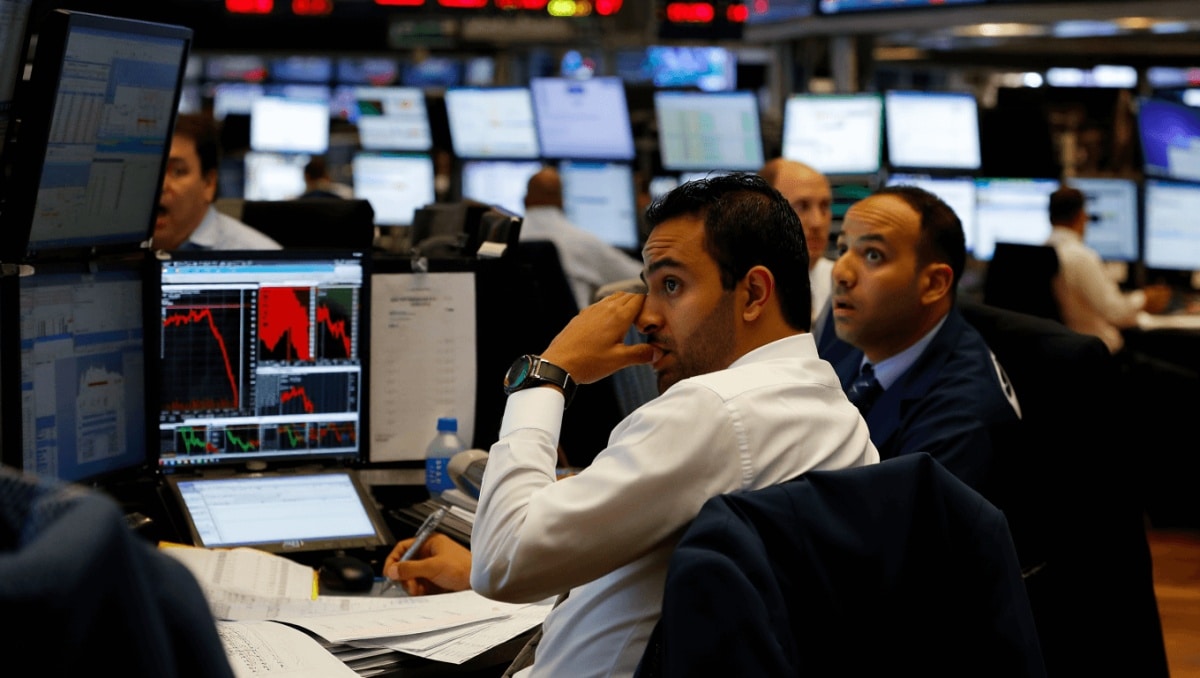
Stocks tied to Dubai’s property sector slid sharply on Monday as rising regional tensions roiled markets. Traders responded to new headlines out of Iran, sending a wave of selling through real estate names on the Dubai Financial Market.
Property equities plunge as geopolitical risk spikes
Shares in Dubai-listed developers saw steep losses after the latest escalation. The benchmark tracking these firms, the DFM Real Estate Index, fell 4.76% on the day.
Bitcoin crash imminent: U.S. economist warns last chance to sell
Catastrophic liquidation event incoming: senior strategist issues urgent warning
Since trading resumed on March 4, following temporary market closures tied to the conflict, the index is off roughly 21%. The shutdown and the renewed uncertainty have clearly weighed on investor appetite.
Energy shock intensifies market moves
Global crude benchmarks jumped as the situation unfolded. Both West Texas Intermediate and Brent crude posted strong gains, feeding volatility across regional asset classes.
Why rising oil matters for Dubai
- Higher oil prices usually boost government revenue and liquidity.
- That in turn can support public and private investment, including property.
- Investors often view energy rallies as a tailwind for Gulf economies.
Why the current rally is complicated
- Geopolitical stress can push capital away from risk assets despite oil gains.
- Policy and fiscal effects take time to flow through to housing demand.
- Developers face longer-term supply and financing questions.
Large future supply could test the market
Developers have a sizable pipeline of new housing due in 2026–2027. That wave of inventory may increase competition for buyers and renters.
- New completions could pressure prices and rents, especially if demand softens.
- Attractive rental yields today may narrow if capital slows or leasing demand drops.
- Investors will watch absorption rates and project delivery schedules closely.
Transactional activity on the ground remains strong
Despite the equity sell-off, activity in Dubai’s physical market stayed vigorous in February. Real estate transactions reached about $16.5 billion, up roughly 18% from a year earlier.
Property-linked stocks had enjoyed a multi-year upswing. Earlier in the year the index climbed about 15%, after large gains in prior years, including a 63% jump and a 38% rise before that.
Who has been buying Dubai real estate?
Foreign capital played a major role in the rally. Notable trends in recent months include:
- Indian buyers leading the list of overseas purchasers.
- Strong interest also from U.K. nationals.
- Chinese investors rounding out the top foreign cohorts.
Those flows helped lift both the physical market and listed property companies. But with volatility up, some buyers may pause to reassess risk.
Investor mood and near-term outlook for real estate stocks
Market moves show how quickly sentiment can change. Higher oil and regional tensions create competing forces for Dubai property.
- Upside factors: stronger sovereign balance sheets and continued foreign demand.
- Downside risks: supply influx, slower capital flows, and persistent geopolitical uncertainty.
- Analysts will track liquidity, project deliveries, and rental trends for clues on where prices head next.










