
Show summary Hide summary
- How Kiyosaki revisited his 2008 forecast and applied it to today’s markets
- Why BlackRock is at the center of his warning
- Practical steps Kiyosaki recommends for worried investors
- Reasons to question his BlackRock prediction
- How observers reacted to the alert
- The broader context: private credit, geopolitics and market fragility
When Robert Kiyosaki took to X on the night of March 9, he issued another stark warning about a looming market collapse and named BlackRock as the likely first casualty. His post mixed a flashback to a 2008 prediction with a fresh alarm about private credit. The message sparked debate and renewed scrutiny of BlackRock’s recent moves.
How Kiyosaki revisited his 2008 forecast and applied it to today’s markets
Kiyosaki reminded followers of an old exchange with Wolf Blitzer on CNN, where he says he foresaw Lehman Brothers’ fall. He used that memory to frame his current thesis.
Bitcoin crash imminent: U.S. economist warns last chance to sell
Catastrophic liquidation event incoming: senior strategist issues urgent warning
In his view, the structural flaws that triggered the Great Financial Crisis were never solved. That unresolved debt and risk could now produce a larger shock.
He singled out private credit pools run by major asset managers as especially fragile. He argued they resemble a modern debt cycle that can unwind quickly.
Why BlackRock is at the center of his warning
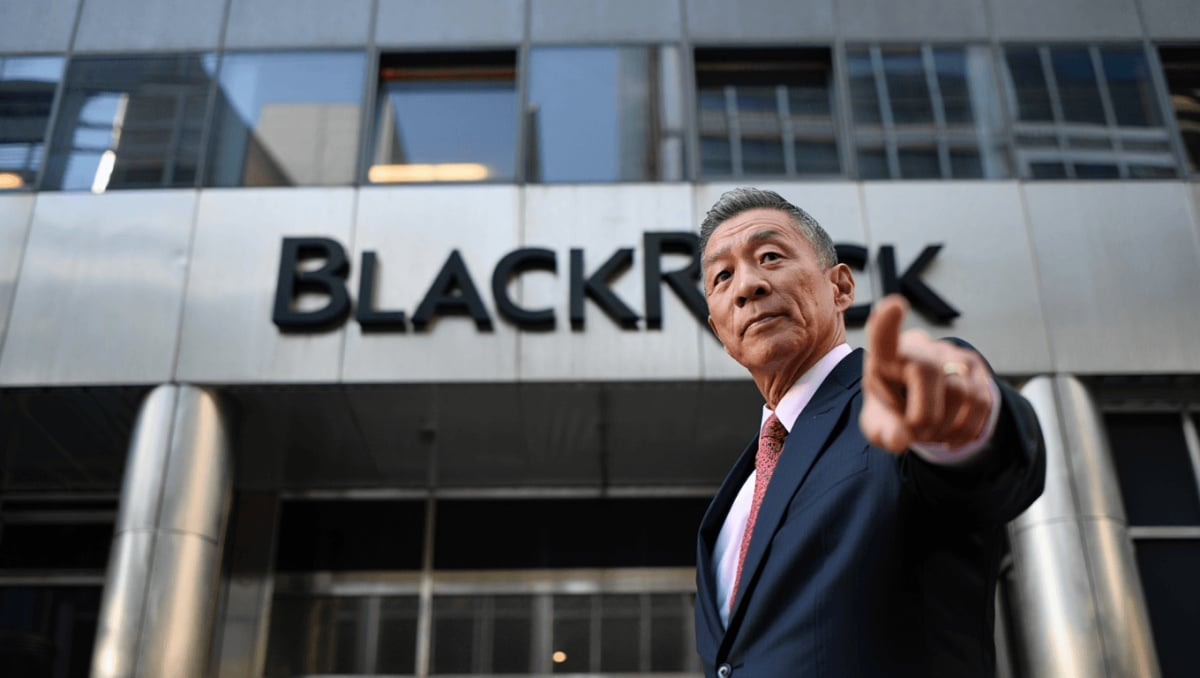
Fans and critics alike seized on Kiyosaki’s claim that BlackRock is the new Lehman. He referenced a recent move by the firm to limit redemptions from a large private debt fund.
That restriction, announced in early March, followed a sharp rise in withdrawal requests. Market observers tied the spike to broader strains in private credit and fresh geopolitical uncertainty.
What happened at the fund
- The firm imposed withdrawal limits to manage liquidity.
- Investors rushed to redeem amid rising fears.
- Analysts said the episode exposed liquidity mismatches in private credit vehicles.
For Kiyosaki, that sequence confirmed his worst fears. He believes a swift collapse at a giant manager could cascade through global pensions and bond markets.
Practical steps Kiyosaki recommends for worried investors
True to his usual tone, Kiyosaki urged followers to move assets into what he called safer stores of value. He emphasized small, accessible actions for ordinary people.
Assets he mentioned by name
- Bitcoin and Ethereum as crypto hedges.
- Precious metals: gold and silver.
- Oil partnerships as an alternative commodity exposure.
He made a point about small purchases. Buy real junk silver—dimes and quarters—he urged, even if it means skipping a meal.
The message combined market advice with a rhetorical push: act now and prioritize tangible assets if you fear bank or fund runs.
Reasons to question his BlackRock prediction
Kiyosaki himself conceded uncertainty in his post. He said he hopes he is wrong and acknowledged the possibility his forecast could be off.
Market professionals note several counterpoints to his scenario:
- BlackRock operates across diversified products with deep client relationships.
- Regulatory oversight and liquidity tools differ from 2008-era bank models.
- Not all redemption limits imply imminent insolvency; they can be risk management steps.
Still, Kiyosaki’s post tapped into a larger debate about private credit. That sector has grown rapidly and carries different transparency and liquidity features than public markets.
How observers reacted to the alert
His statement drew both alarm and skepticism online. Some praised his track record of bold calls. Others pointed out a pattern of repeated crash predictions that have not come to pass.
- Supporters said his warning raises useful questions about debt levels.
- Critics argued frequent doomsday forecasts can erode credibility.
- Neutral analysts recommended focusing on data: fund flows, balance sheets, and regulator guidance.
Investors watching the situation were urged to monitor fund disclosures and redemption notices closely. That includes reading manager statements and checking official filings rather than relying only on social posts.
The broader context: private credit, geopolitics and market fragility
Beyond one manager, the story touches on larger trends. Private credit has expanded into corporate lending, often with limited liquidity buffers.
At the same time, geopolitical tensions have shifted risk sentiment. Energy supply concerns and conflicts can amplify investor nervousness.
Combined, these forces can make seemingly stable funds vulnerable to sudden outflows, even if a full systemic collapse remains uncertain.










