
Show summary Hide summary
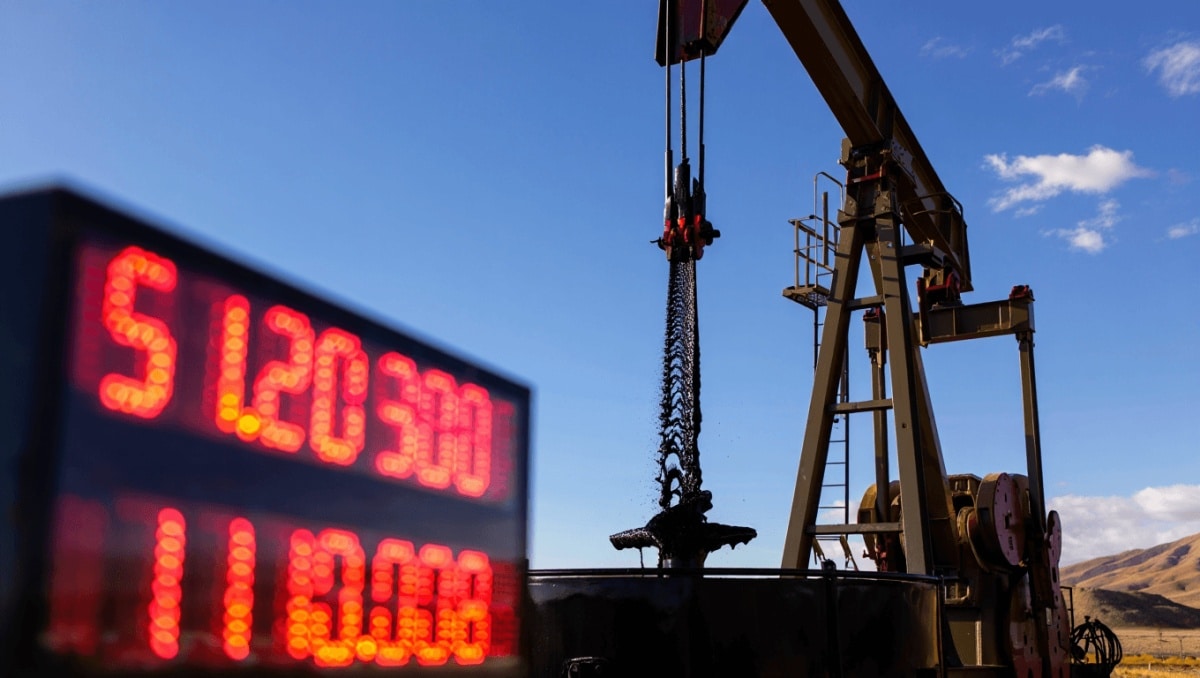
Oil surged again on Friday as Brent crude approached $110 a barrel, after U.S. President Donald Trump announced a temporary pause in strikes on Iran’s energy infrastructure. Traders say the market now prices in the risk of a longer, disruptive conflict more than a single headline. Concerns center on the Strait of Hormuz, a chokepoint for global oil flows.
Brent price jump and the pause in strikes
President Trump said on Truth Social he would delay planned attacks on some Iranian energy targets by 10 days, moving a potential strike date to April 6, 2026. Markets reacted to both the announcement and the larger strategic signal.
Bitcoin crash imminent: U.S. economist warns last chance to sell
Catastrophic liquidation event incoming: senior strategist issues urgent warning
- Near-term calm vs. longer-term risk: A brief pause eased immediate tension, but traders remain wary of an extended confrontation.
- Chokepoint exposure: The Strait of Hormuz handles about 20% of daily oil traffic. Any disruption there would tighten global supply quickly.
How big has the 2026 oil rally been?
At the start of 2026, Brent traded near $60.42 per barrel. With prices hovering around $110 now, the benchmark is up about 83% year to date.
What that means for an investor
If you bought $1,000 worth of Brent-based exposure on January 2, that stake would be worth roughly $1,820 to $1,830 today. The spike reflects a sharp re-pricing of supply risk driven by geopolitics.
Oil vs. other stores of value: vivid contrasts
Commodities, equities, and crypto have not moved in sync with oil this year.
- Gold: Up less than 2% since January, trading near $4,415 per ounce from about $4,332.
- S&P 500: Down roughly 5.5% year-to-date, showing equity sensitivity to tightening risks.
- Bitcoin: Fallen about 25%, to roughly $66,800, underperforming traditional hedges.
Why traders fear oil could drag markets lower
Higher energy prices raise costs across the economy. That can squeeze corporate margins and raise inflation expectations.
- Rising crude can pressure consumer spending.
- Central banks may face tougher choices if inflation picks up.
- Equities, especially in the U.S., may come under renewed selling pressure if oil-driven inflation accelerates.
Key factors to watch in the coming days
- Any new military moves or statements from Tehran or Washington.
- Incidents in or near the Strait of Hormuz that could disrupt tankers.
- Inventory reports and OPEC guidance on output.
- Macro data that could change expectations for interest rates and growth.










