
Show summary Hide summary
- Why Chevron’s pullback grabbed Jim Cramer’s attention
- Where crude prices stood after the signal
- Chevron’s early rebound and the risk of renewed oil upside
- Key indicators traders will monitor now
- Geopolitical pressures that could lift prices toward $200
- Why reopening the waterways may not calm oil markets quickly
- Market implications and what traders should watch next
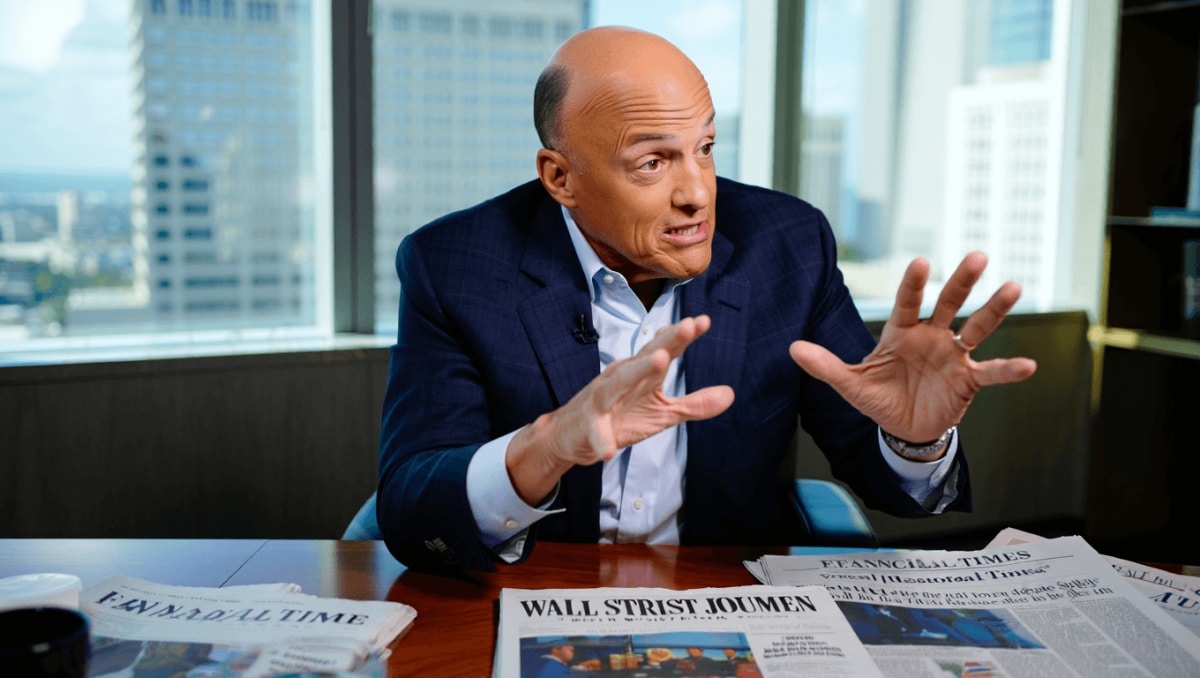
Late on March 30, Jim Cramer stirred the oil market conversation by suggesting on X that the recent surge in crude may have hit a temporary ceiling. His read came after a slight pullback in Chevron shares, a stock he has flagged as a forward indicator for oil. Traders and analysts quickly parsed the signal as a potential sign that prices for Brent and West Texas Intermediate could cool off—at least for now.
Why Chevron’s pullback grabbed Jim Cramer’s attention
Cramer, the former hedge fund manager and longtime market commentator on CNBC, has often pointed to leading stocks as bellwethers for commodity trends. On X he argued that Chevron’s pause after a strong monthly rally hinted that oil futures might be topping out.
Bitcoin crash imminent: U.S. economist warns last chance to sell
Catastrophic liquidation event incoming: senior strategist issues urgent warning
Chevron’s recent moves matter because large integrated oil companies often price in future crude expectations. When a leader like CVX slows, some traders take that as an early warning for futures markets.
Where crude prices stood after the signal
Market data in the hours after Cramer’s post showed a modest retreat in global benchmarks. Traders watching CFDs and futures saw declines across the board.
- West Texas Intermediate (WTI) CFDs dipped by roughly 2.3% to near $102.60.
- Brent CFDs eased about 1.6% to approximately $107 after testing $110 the prior day.
- The one-day volatility suggested profit-taking after a strong monthly advance.
These moves were consistent with a short-term correction. But markets remain reactive to new headlines, shipping data, and corporate trading patterns.
Chevron’s early rebound and the risk of renewed oil upside
Even as Cramer flagged a potential short-term top, Chevron showed a fractional uptick in pre-market trading the next day. That slight recovery hinted the stock could resume leading futures.
A small bounce in CVX can change trader psychology quickly. If Chevron regains momentum, oil futures often follow. This dynamic makes stocks like CVX useful short-term indicators for energy traders.
Key indicators traders will monitor now
Price and positioning
- Daily WTI and Brent moves and intraday volatility.
- Open interest and funds’ net positions in futures markets.
- Major oil companies’ stock trends—especially leaders like Chevron.
Supply-side signals
- Tankers and shipping lanes activity in the Persian Gulf.
- Satellite imagery and reports of pipeline or terminal damage.
- Production reports and OPEC communications.
Geopolitical pressures that could lift prices toward $200
Beyond short-term technicals, several geopolitical developments support the case for higher crude prices. Analysts say a $200-per-barrel scenario is not impossible if tensions escalate and chokepoints remain disrupted.
- Strait of Hormuz risks: Iran’s demonstrated ability to threaten shipping has raised alarm. Even limited disruption can spike freight costs and tighten physical supply.
- Regional spillover: Yemen’s Ansar Allah involvement has threatened shipments from Saudi ports, including Yanbu, adding another supply-side risk.
- Energy infrastructure hits: Recent satellite imagery points to probable pipeline damage that bypasses the Strait, compounding export constraints.
Together, these factors reduce the market’s buffer. If exports remain constrained, a rapid price surge becomes more plausible.
Why reopening the waterways may not calm oil markets quickly
Even if diplomatic or military moves reopen the Strait of Hormuz, markets may not normalize immediately. Damage to pipelines and terminals can take weeks or months to repair. Restoring physical flows often lags political fixes.
Reports also indicate that any reopening could come with conditions. Some Iranian lawmakers have discussed charging transit fees, which could further complicate shipping economics even after hostilities ease.
Additionally, political watchers note that proposals in Washington aim to avoid forcing a direct reopening by military means. That approach could lengthen the period of uncertainty if Iran resists or sets terms.
Market implications and what traders should watch next
- Short-term: Watch Chevron and other energy majors for leadership signals.
- Medium-term: Track shipping flows, satellite updates, and pipeline repair timelines.
- Macro: Monitor U.S. policy statements and OPEC+ supply decisions.
Volatility is likely to remain elevated as headlines and technical indicators shift. For now, a correction is possible, but fundamental risks keep the door open for renewed rallies.










