
Show summary Hide summary
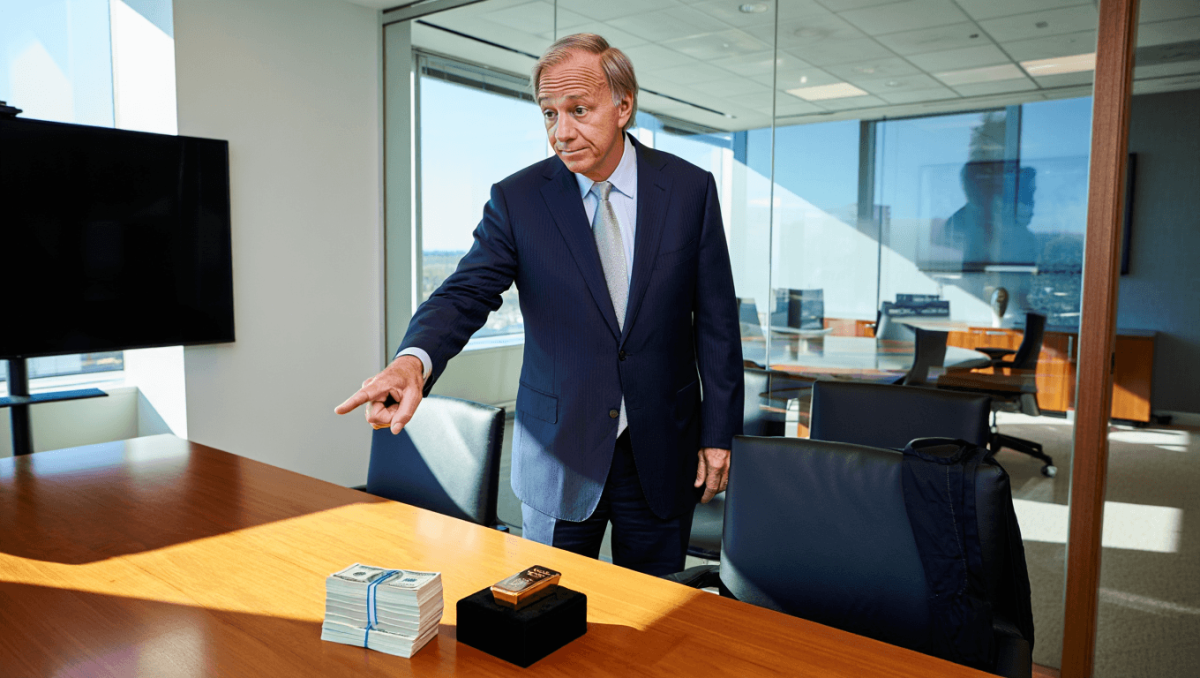
Ray Dalio’s AI proxy, known as Digital Ray, is pointing investors toward two defensive pillars for the second half of 2026: short-duration U.S. Treasury bills and physical gold. The model frames these holdings as protection amid sticky inflation, high sovereign debt, tighter central bank policy, and an uneasy global backdrop.
Why short-duration Treasuries are favored for H2 2026
Digital Ray stresses liquidity and capital preservation. Short-term government debt can offer that combination without exposing investors to large interest-rate swings.
Bitcoin crash imminent: U.S. economist warns last chance to sell
Catastrophic liquidation event incoming: senior strategist issues urgent warning
- Lower rate sensitivity: Short maturities react less to rate changes than long bonds.
- High liquidity: Treasuries can be sold quickly in stressed markets.
- Stable returns: In a restrictive policy cycle, they can deliver predictable yields.
The AI model argues these instruments act as a reliable cash-like anchor. They are useful when central banks keep policy tight and volatility rises.
Gold as a strategic hedge and diversification tool
Digital Ray identifies gold for its long-standing role as a safety asset. The model highlights the metal’s ability to perform differently from stocks and bonds.
- Inflation protection: Gold tends to preserve purchasing power when currencies weaken.
- Geopolitical insurance: Prices often rise when geopolitical tensions mount.
- Portfolio diversification: Gold’s price moves frequently show low correlation with equities.
For the AI, gold is less about short-term gains and more about guarding wealth against macro shocks and currency debasement.
How Digital Ray applies a risk-balanced allocation
The AI uses a risk-parity lens instead of focusing solely on capital weights. That means balancing the portfolio by contribution to overall risk.
Allocation by risk contribution
- Global equities: ~50% of portfolio risk, providing growth exposure.
- Short-duration Treasuries: ~30% of risk, supplying stability and liquidity.
- Gold: ~20% of risk, acting as a shock absorber and inflation hedge.
This mix aims to let equities drive returns while Treasuries and gold dampen downside moves during market stress.
What this means for investors and practical considerations
Digital Ray shifts the focus from stock picking to building resilience. The AI emphasizes managing downside risk and maintaining access to liquid, low-correlation assets.
- Monitor central bank signals. Policy paths will influence bond yields and the relative appeal of short maturities.
- Keep allocation flexible. Rebalancing can capture yield while controlling duration exposure.
- Consider storage and cost for physical gold or use ETFs and futures for exposure.
Risks remain. Rising real yields could pressure gold. A sudden shift to easier policy could favor longer-duration bonds and equities. Investors should weigh these scenarios against their timelines and risk tolerances.
Market themes Digital Ray expects to shape H2 2026
- Elevated public debt: Governments are carrying large deficits, which can constrain fiscal options.
- Restrictive monetary stance: Central banks may keep rates higher for longer to tame inflation.
- Persistent inflation worries: Price pressures could linger in key economies.
- Geopolitical volatility: Regional tensions could increase demand for safe havens.
Those themes form the backdrop for Digital Ray’s recommendation to emphasize liquidity, stability, and real-return protection.










