
Show summary Hide summary
Expectations that Kevin Warsh would steer the Federal Reserve toward easier policy have been upended by new economic data and a startling forecast from Bank of America. Markets that had braced for a softer Fed are now weighing the possibility of higher rates and a longer runway of tight policy.
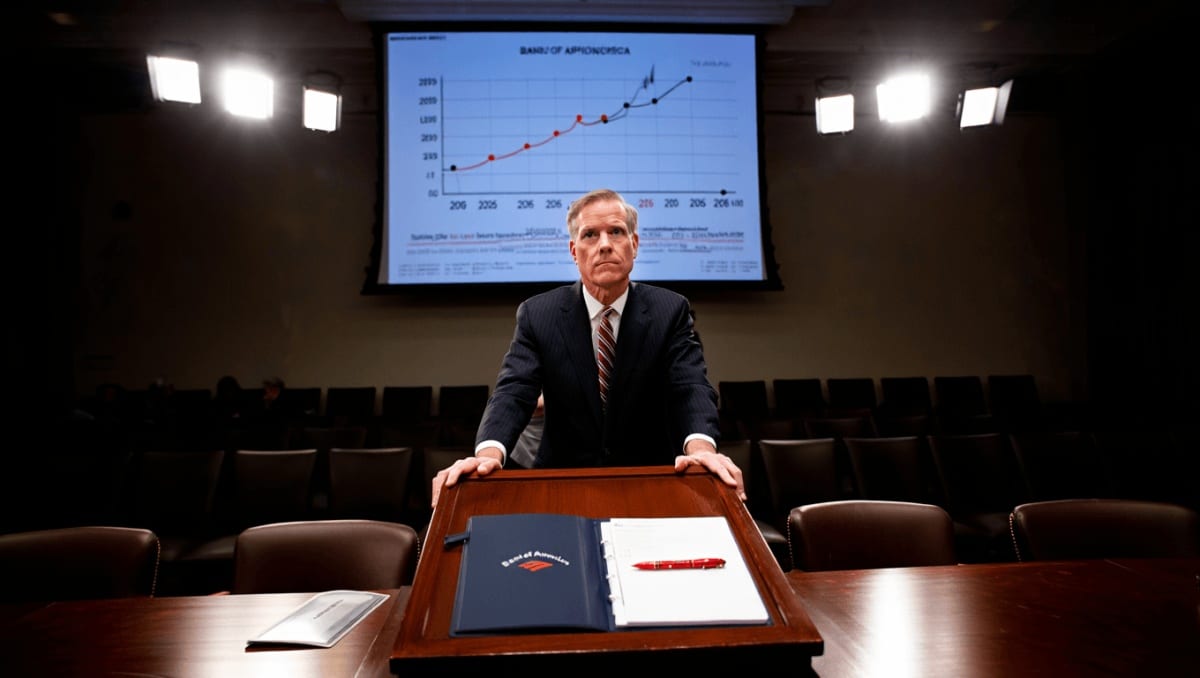
Bank of America’s revised outlook and the timing of hikes
On June 22, BofA Global Research changed its rate forecast. The team now expects the federal funds rate to climb by 75 basis points before year-end. Those increases are split across three upcoming meetings.
Bitcoin crash imminent: U.S. economist warns last chance to sell
Catastrophic liquidation event incoming: senior strategist issues urgent warning
- September meeting
- October meeting
- November meeting
This view runs counter to the wider Street consensus. BofA also signaled more upward pressure on rates into 2026. After that, their view is for a long pause, with rates held steady in 2027.
Why forecasters reversed course
Analysts point to two main forces behind the shift.
- Resilient labor markets: Jobs and wage data continue to surprise on the upside.
- Strong Fed messaging: Chair Warsh’s comments after the latest FOMC meeting suggested policymakers remain ready to act.
Sticky inflation is another factor. Prices have stayed above the central bank’s target for an extended period, keeping pressure on officials to tighten.
How this challenges early assumptions about Warsh
Many investors had assumed a Warsh-led Fed would tilt toward easing. That view partly stemmed from President Trump’s public displeasure with the prior chair.
Instead, recent signals from the Fed point to a willingness to raise rates even when doing so conflicts with political preferences. That dynamic has renewed debate over the central bank’s direction.
Politics, probes, and prominent critics
The Fed’s stance has unfolded against a fraught political backdrop.
- President Trump criticized his predecessor for not cutting rates faster.
- That spat led to scrutiny of the former Fed chair’s personal projects, prompting investigative attention.
- Senior figures such as Janet Yellen have warned against politicizing rate decisions.
Yellen, who served as Fed chair and later as Treasury secretary, framed efforts to pressure the Fed as a threat to institutional norms. Her comments underscored concerns about potential interference in monetary policy.
What markets and households should watch next
Investors will monitor incoming labor reports and inflation readings closely. Any sign of continued strength could reinforce BofA’s call for additional hikes.
Key indicators to track
- Monthly payrolls and unemployment rates
- Core inflation measures
- Fed officials’ public remarks
Higher policy rates would increase borrowing costs for consumers and businesses. They could also reshape expectations for stocks and bonds, as market participants price in a longer period of restrictive policy.










