

Show summary Hide summary
- Why an empty brief can become your best content opportunity
- Fast, repeatable method to build a story from scratch
- SEO tactics that help content perform on Google Discover, News, and Search
- Story formats that work best for discovery platforms
- Common mistakes and how to avoid them
- Practical tools and resources to speed the process
Facing an empty brief or a blank page can feel like a roadblock. Yet the same emptiness is a creative door. In this piece you’ll find a practical, journalist-tested workflow to turn nothing into a compelling, SEO-ready story that appeals to Google Discover, News, and Search.
Why an empty brief can become your best content opportunity
Bitcoin crash imminent: U.S. economist warns last chance to sell
Catastrophic liquidation event incoming: senior strategist issues urgent warning
Editors and writers often balk at silence in a brief. That quiet moment is an advantage. It gives you space to shape a clear angle, chase fresh sources, and control narrative timing.
- Freedom to choose an original angle. No preset assumptions let you pick what matters now.
- Chance to combine reporting with practical guidance, satisfying readers and algorithms.
- Room to test formats that perform well on Google Discover and News.
Fast, repeatable method to build a story from scratch
This section lays out a step-by-step formula used by newsroom teams to produce high-impact pieces quickly.
1. Pick a clear focus and search intent
Decide whether the piece should inform, guide, or analyze. Match your angle to what users search for now.
2. Gather three essential elements
- One fresh fact or statistic.
- One credible source or expert quote.
- One useful takeaway for the reader.
3. Draft a tight lead and supporting paragraphs
Write a first paragraph that answers who, what, why, and when. Then add short paragraphs that expand each point.
4. Optimize headlines and subheads for discovery
- Use clear keywords naturally.
- Keep headlines under 70 characters for search snippets.
- Make subheads scannable and actionable.
SEO tactics that help content perform on Google Discover, News, and Search
Search engines reward relevance, freshness, and trust. Balance those three to increase visibility.
- Freshness: Publish timely angles and update facts as events unfold.
- Authority: Cite reputable sources and link to primary documents.
- Engagement signals: Use compelling images, short paragraphs, and clear CTAs to boost dwell time.
- Optimize meta descriptions and image alt text for keywords, but keep them natural.
Story formats that work best for discovery platforms
Different formats drive different results. Choose one that fits your goal.
- Quick explainers: high click-through rates on Discover.
- How-to guides: steady organic traffic from Search.
- Breaking news updates: prioritized by Google News when timely and verified.
- Lists and timelines: easy to scan and share on social platforms.
Common mistakes and how to avoid them
- Avoid chasing clickbait headlines. They harm credibility and long-term traffic.
- Don’t rely on a single source. Verify facts with at least two independent references.
- Resist over-optimization. Stuffing keywords reduces readability and search value.
- Neglecting mobile formatting hurts Discover performance. Use short paragraphs and strong visuals.
Practical tools and resources to speed the process
- Keyword research: tools that show current search intent and trends.
- Fact-checking: databases and official sites for quick verification.
- Image libraries: licensed photos and graphics sized for mobile feeds.
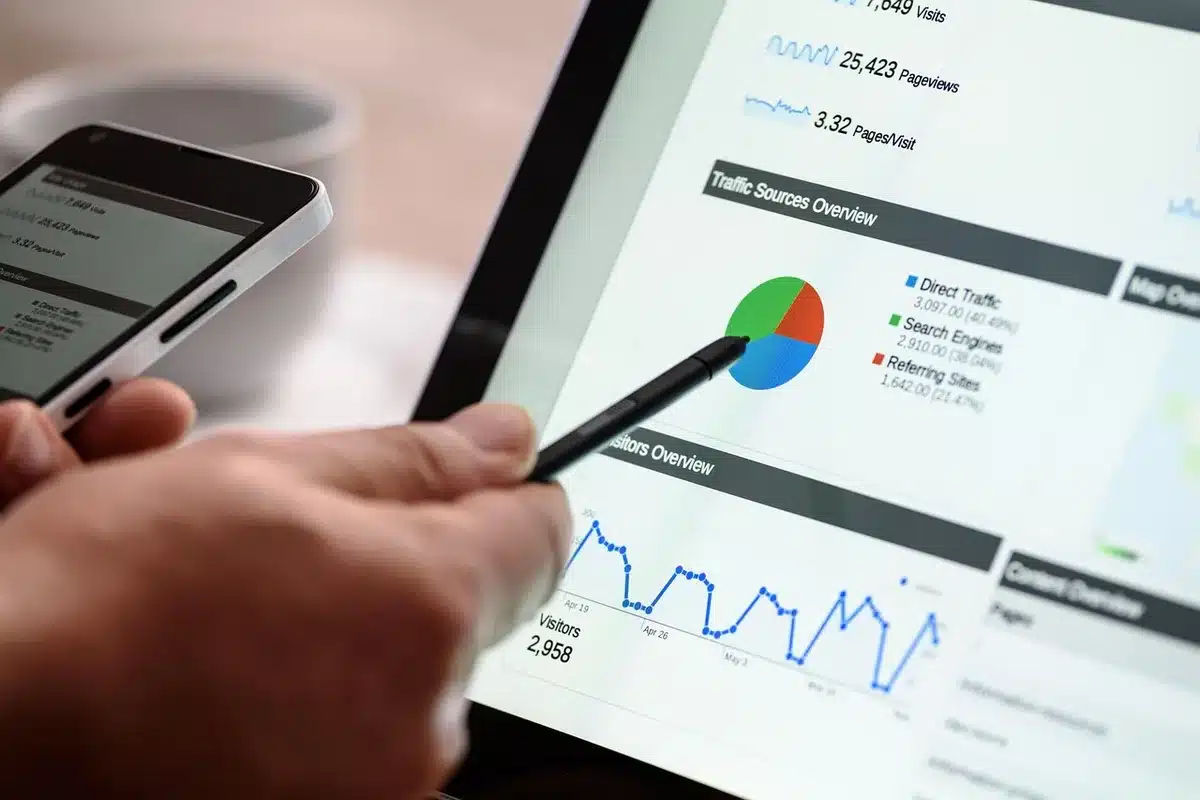
- Analytics dashboards: monitor impressions and refine angles in real time.










